Stock #4 | Aug ’24 | (COST)
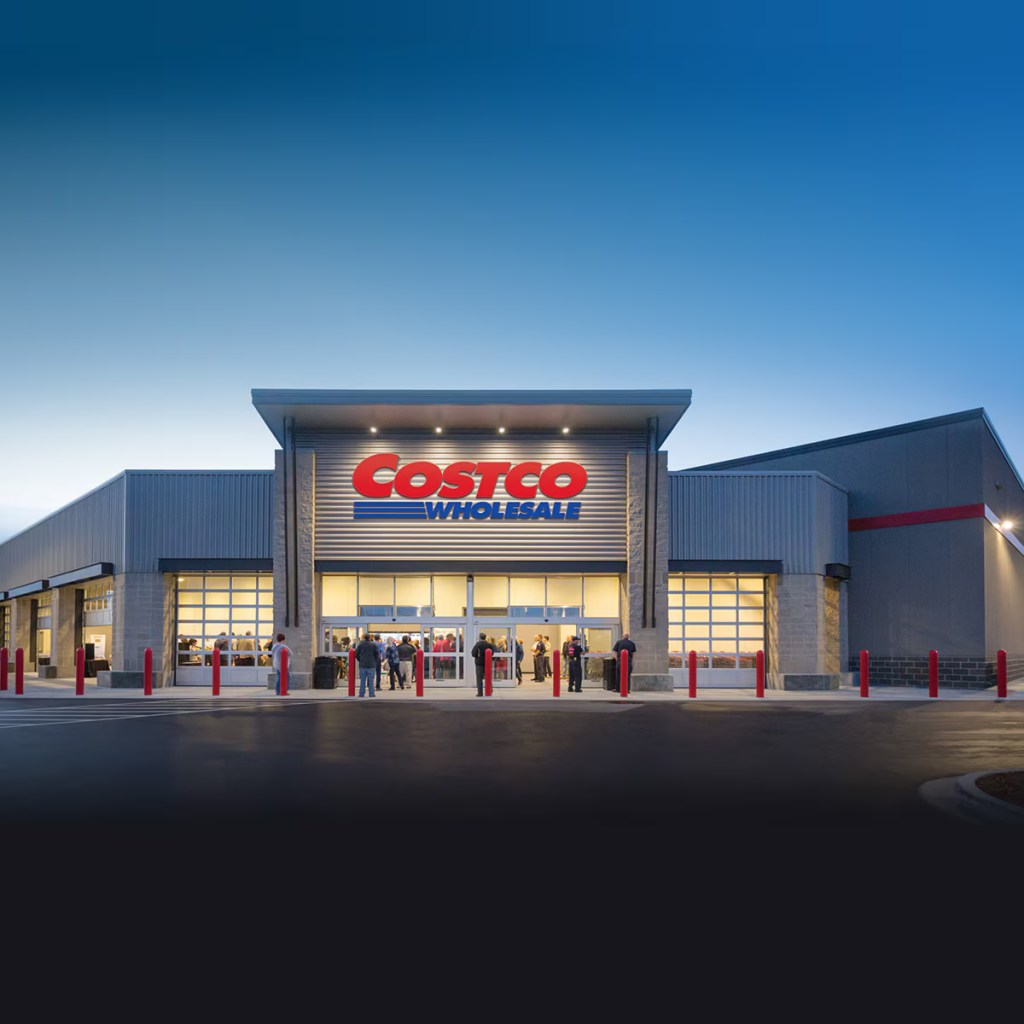
Holding #3 – July ’24 Addition
#COST | Understanding Costco: A Retail Giant with Exceptional Dividend Consistency
By Zachary Gedal
Discussion of Costco Wholesale Corporation
Table of Contents
Part 1: Company Overview and Philosophy
- Introduction
- Founding and Early History
- Cultural and Ethical Values
- Leadership Philosophy and Style
- Innovation and Adaptability
- Strategic Decision-Making
- Human Capital and Management
- Market Position and Competitive Landscape
- Risks and Mitigation Strategies
Part 2: Dividend Philosophy and Sustainability
- Dividend Tradition and Philosophy
- Dividend Consistency and Culture
- Impact of Corporate Decisions on Dividends
- Stakeholder Value Creation
- Financial Prudence and Allocation
- Economic Moats and Dividend Safety
- Corporate Governance and Dividend Policy
- Long-Term Vision and Dividend Growth
- Qualitative Insights and Future Outlook
Part 1: Company Overview and Philosophy
Introduction
Costco Wholesale Corporation, founded in 1983 by James Sinegal and Jeffrey Brotman, has revolutionized the retail sector with its unique membership-based warehouse club model. Known for its massive product volumes and low prices, Costco has built a strong foundation of customer loyalty and steady financial growth.
As we consider integrating Costco into our investment portfolio, we are particularly attracted by its exceptional record of dividend consistency and its resilient business model. Even during economic downturns, Costco has demonstrated strong sales growth and profitability, underscoring its appeal as a stable investment.
Costco’s commitment to low prices and high-quality products, combined with its strategic international expansion, positions it well for continued success in the competitive retail market. These attributes align closely with our investment strategy’s focus on stability and long-term income generation.
Founding and Early History
Costco Wholesale Corporation emerged from the innovative retail concept pioneered by Price Club, founded by Sol Price in San Diego, California, in 1976.Initially targeting small businesses as wholesale customers, Price Club’s business model evolved to include individual consumers, a groundbreaking strategy that redefined the retail landscape.
Recognizing the immense potential of this membership-based warehouse club format, key figures Jim Sinegal and Jeff Brotman established Costco Wholesale in 1983. Their entrepreneurial vision led to the opening of the first Costco warehouse in Seattle, Washington.
Key Figures and Their Roles:
- James Sinegal: Co-founder, CEO (1983-2012), and Chairman (2012-2018). Sinegal was the driving force behind Costco’s early success, focusing on offering low prices, excellent customer service, and a unique warehouse shopping experience.
- Jeffrey H. Brotman: Co-founder, Chairman (1983-2017), and Director. Brotman provided strategic guidance, legal expertise, and financial support during Costco’s formative years.
- W. Craig Jelinek: President and CEO (2012-present). Jelinek, a longtime Costco executive, succeeded Sinegal as CEO and continued the company’s expansion and innovation.
Timeline of Significant Early Events and Milestones:
- 1983: Costco Wholesale opens its first warehouse in Seattle, Washington, on September 15th.
- 1984: Costco expands to Portland, Oregon, and begins trading on the Over-the-Counter (OTC) market.
- 1985: The company goes public with an initial public offering (IPO) on December 5th.
- 1986: Costco opens its first California warehouse in San Diego.
- 1987: The company introduces its private-label brand, Kirkland Signature.
- 1991: Costco expands internationally, opening its first Canadian warehouse in Hamilton, Ontario.
- 1992: The company enters the Asian market with its first warehouse in Tokyo, Japan.
- 1994: Costco begins offering pharmacy services and optical centers within its warehouses.
- 1997: The company launches its e-commerce platform, (link unavailable)
Cultural and Ethical Values
Here’s an expanded version of Cultural and Ethical Values:
Cultural and Ethical Values at Costco
Core Values:
- Respect: Treat others with dignity and respect
- Integrity: Act with honesty and integrity in all interactions
- Excellence: Strive for excellence in every aspect of business
- Cost Conscious: Maintain low costs to pass savings to customers
- Member-Obsessed: Focus on delivering exceptional value to members
Ethical Practices and Policies:
- Code of Ethics: Guides employee conduct and decision-making
- Conflict of Interest Policy: Ensures employees act in the best interest of Costco
- Diversity and Inclusion Policy: Fosters a welcoming workplace for all employees
- Sustainability Policy: Commits to environmentally responsible practices
- Supply Chain Transparency: Ensures fair labor practices and safe working conditions
Community Engagement and Social Responsibility Initiatives:
- Charitable Donations: Supports local communities through donations and grants
- Volunteer Programs: Encourages employee volunteerism and community involvement
- Environmental Sustainability: Implements energy-efficient practices and reduces waste
- Food Bank Partnerships: Helps feed those in need through food bank donations
- Disaster Relief Efforts: Provides support and resources during natural disasters
Costco’s strong cultural and ethical values have contributed to its success and loyal customer base. By prioritizing respect, integrity, and excellence, Costco creates a positive work environment and builds trust with its members and the community.
Costco’s Cultural and Ethical Values
Costco Wholesale Corporation places a strong emphasis on maintaining a culture rooted in ethical behavior and a commitment to core values. Below are some of the key cultural and ethical values upheld by Costco:
1. Integrity and Ethical Conduct:
• Costco adheres to high ethical standards in all business practices, ensuring honesty, fairness, and integrity in interactions with customers, employees, suppliers, and stakeholders.
2. Member Focus:
• The company is dedicated to providing high-quality goods and services at the lowest possible prices to its members, fostering trust and loyalty.
3. Employee Respect and Support:
• Costco values its employees, often referring to them as its most important asset. The company provides competitive wages, benefits, and a positive work environment, encouraging growth and development.
4. Community Engagement:
• Costco is committed to being a responsible corporate citizen. This includes charitable giving, support for local communities, and engagement in various social responsibility initiatives.
5. Sustainability and Environmental Responsibility:
• The company actively pursues sustainability goals, including reducing waste, conserving resources, and sourcing products responsibly to minimize environmental impact.
6. Diversity and Inclusion:
• Costco promotes a diverse and inclusive workplace, ensuring equal opportunities and respect for all employees, irrespective of their background or identity.
7. Compliance and Governance:
• Strict adherence to laws, regulations, and internal policies is a cornerstone of Costco’s operations, with robust compliance and governance frameworks in place.
These values are integral to Costco’s operations and contribute to its reputation as a trusted and ethical retailer.
Leadership Philosophy and Style
- Costco’s leadership structure is a hierarchical one, with a Board of Directors overseeing the company’s operations. Key personnel include the CEO, CFO, and COO. The current CEO is Craig Jelinek.
- The leadership style at Costco is often described as servant leadership. This means that leaders prioritize the needs of their employees and customers before their own. Costco is known for its high wages and good benefits, which is a reflection of this leadership style. The company also encourages open communication and feedback from employees at all levels.
- The impact of Costco’s leadership style on company culture and growth has been significant. The company’s focus on employee well-being has resulted in high employee satisfaction and low turnover rates. This, in turn, has contributed to the company’s success and growth. Costco’s commitment to customer satisfaction and low prices has also been a key factor in its success.
Innovation and Adaptability
Innovation in Operations and Products
Costco has been a pioneer in the retail industry, introducing several innovative practices:
- Membership Model: The membership-based model was a revolutionary concept in retail, creating a loyal customer base and generating consistent recurring revenue.
- Warehouse Club Format: The large, warehouse-style stores were a departure from traditional retail spaces, offering bulk purchases at discounted prices.
- Kirkland Signature: Costco’s private label brand has been a major success, offering high-quality products at competitive prices.
- Limited Product Selection: By focusing on a limited number of items, Costco is able to negotiate better deals with suppliers and reduce inventory costs.
- Employee Focus: Costco is known for its excellent employee treatment, which leads to higher productivity, lower turnover, and improved customer service.
Adapting to Market and Technology Changes
Costco has demonstrated a strong ability to adapt to changing market conditions and technological advancements:
- E-commerce: While Costco has been slower to adopt e-commerce compared to some competitors, it has gradually expanded its online offerings, including online shopping and delivery options.
- Membership Benefits: Costco has continuously expanded its membership benefits to include additional services such as travel packages, pharmacy services, and online streaming.
- Product Assortment: The company has adjusted its product mix over time to reflect changing consumer preferences and trends.
- Supply Chain Management: Costco has invested in technology and logistics to improve its supply chain efficiency and reduce costs.
Pivoting Strategies in Response to Challenges
Costco has faced various challenges throughout its history, but it has consistently demonstrated its ability to adapt:
- Economic Downturns: During economic recessions, Costco has focused on providing value to its members by offering essential products at competitive prices.
- Competitive Pressure: To compete with other retailers, Costco has emphasized its unique value proposition, such as its focus on quality and member satisfaction.
- Supply Chain Disruptions: The company has implemented strategies to mitigate the impact of supply chain issues, such as diversifying its supplier base and building inventory levels.
By continuously innovating, adapting to market changes, and effectively responding to challenges, Costco has maintained its position as a leading retailer.
Strategic Decision-Making

Overview of Strategic Planning Processes
Costco’s strategic planning process is centered on a deep understanding of its core values and customer-centric philosophy. The company’s strategy is built on a foundation of providing exceptional value to members through a curated selection of high-quality products at competitive prices.
The strategic planning process at Costco likely involves:
- Market analysis: Continuously monitoring market trends, consumer behavior, and competitor activities.
- Financial performance evaluation: Assessing the company’s financial health and identifying areas for improvement.
- Customer feedback analysis: Gathering insights from members to understand their needs and preferences.
- Operational efficiency assessment: Evaluating the effectiveness of existing operations and identifying opportunities for optimization.
- Long-term vision development: Defining the company’s strategic direction and goals.
- Implementation planning: Developing detailed plans for executing the chosen strategy.
Key Decisions Shaping Costco’s Direction
Several key decisions have been instrumental in shaping Costco’s trajectory:
- Membership Model: The decision to adopt a membership-based model created a loyal customer base and provided a steady revenue stream.
- Kirkland Signature Brand: Developing a strong private label brand has allowed Costco to offer high-quality products at competitive prices, increasing profitability and customer satisfaction.
- Limited Product Selection: By focusing on a limited assortment of products, Costco has achieved operational efficiency and cost savings, which are passed on to members.
- Employee Focus: Costco’s commitment to employee well-being has resulted in high employee satisfaction, low turnover, and improved customer service.
- Global Expansion: The decision to expand into international markets has diversified revenue streams and increased market share.
Risk Management and Strategic Foresight
Costco has demonstrated a strong ability to manage risks and anticipate future challenges. Key elements of their risk management strategy likely include:
- Supply chain diversification: Reducing reliance on a single supplier to mitigate disruptions.
- Inventory management: Balancing inventory levels to optimize costs and avoid stockouts.
- Financial risk management: Implementing strategies to protect the company from economic downturns.
- Competitive analysis: Monitoring competitor activities and developing countermeasures.
Strategic foresight is crucial for Costco’s long-term success. The company likely employs a combination of methods, such as:
- Scenario planning: Developing multiple potential future scenarios to identify opportunities and threats.
- Trend analysis: Identifying emerging trends that could impact the business.
- Customer research: Understanding evolving customer needs and preferences.
- Technological assessment: Evaluating the potential impact of new technologies.
By effectively managing risks and anticipating future challenges, Costco can maintain its competitive advantage and ensure long-term sustainability.
Costco’s Global Expansion Strategy
Costco’s global expansion has been a strategic cornerstone of its growth. The company’s core value proposition – offering high-quality products at competitive prices to members – has proven to be a winning formula in various international markets.
Key Elements of Costco’s Global Expansion Strategy
- Gradual and Cautious Approach: Costco has adopted a deliberate and methodical approach to international expansion, focusing on careful market selection and thorough market research.
- Adaptation to Local Markets: While maintaining its core business model, Costco has successfully adapted to local preferences, tastes, and regulations. This includes offering a mix of local and international products to cater to diverse consumer needs.
- Strong Emphasis on Member Value: The company’s unwavering commitment to offering exceptional value to members has been a key driver of success in foreign markets.
- Leveraging the Costco Brand: The strong brand recognition and reputation built in the United States have served as a solid foundation for expansion into new territories.
- Strategic Partnerships: Costco has formed partnerships with local businesses and suppliers to facilitate market entry and operations.
Challenges and Opportunities in Global Expansion
Costco’s global expansion has not been without its challenges. Differences in consumer behavior, economic conditions,and regulatory environments can pose significant hurdles. However, the company has also identified numerous opportunities for growth in emerging markets.
- Challenges:
- Economic instability in some countries
- Cultural differences and consumer preferences
- Supply chain complexities
- Competition from local retailers
- Opportunities:
- Growing middle class in emerging markets
- Untapped potential in many countries
- Opportunity to introduce new products and services
- Potential for cost savings through economies of scale
Examples of Successful Global Expansion
Costco has achieved notable success in several international markets, including:
- Canada: One of Costco’s earliest and most successful international ventures, the Canadian market has demonstrated strong growth and profitability.
- United Kingdom: Despite challenges, Costco has established a solid presence in the UK, leveraging its value proposition to attract a loyal customer base.
- Asia: The company has made significant inroads into Asian markets, with notable success in countries like Japan,South Korea, and Taiwan.
By carefully considering these factors and adapting its strategy accordingly, Costco has positioned itself for continued global growth and success.
Costco in Singapore: A Case Study
Singapore, a small but affluent city-state, presents a unique set of challenges and opportunities for retailers. Costco’s entry into this market was a strategic move, but it also required careful consideration of local factors.
Challenges and Adaptations
- Limited Space: Singapore is known for its limited land area. Costco’s traditional warehouse format had to be adapted to fit the space constraints. This meant smaller store sizes and a carefully curated product assortment.
- High Operating Costs: Singapore’s high operating costs, including rent, labor, and utilities, posed a significant challenge. Costco had to optimize its operations to maintain its value proposition.
- Consumer Preferences: The Singaporean consumer is discerning and often prefers premium products. Costco had to balance its bulk-oriented model with offering high-quality items to cater to this segment.
- Competition: The Singaporean retail market is highly competitive, with established players and a growing online presence. Costco had to differentiate itself to attract customers.
Costco’s Response
To address these challenges, Costco made several strategic adjustments:
- Smaller Store Format: The Singapore store is significantly smaller than its counterparts in other countries,emphasizing a more curated product selection.
- Product Mix Optimization: The store focuses on a mix of bulk items and premium products to cater to the local market’s preferences.
- Emphasis on Fresh Food: Singaporeans have a strong preference for fresh food. Costco expanded its fresh food offerings, including produce, meat, and seafood.
- Membership Value Proposition: Despite higher operating costs, Costco maintained its focus on offering exceptional member value through competitive pricing and exclusive products.
Success Factors
Costco’s success in Singapore can be attributed to several key factors:
- Strong Brand Reputation: The Costco brand already had a positive reputation among Singaporean consumers who had traveled abroad.
- Unique Product Offerings: The store offered a unique shopping experience with a carefully curated selection of products not readily available elsewhere.
- Focus on Member Satisfaction: Costco’s commitment to customer service and member benefits resonated with Singaporean consumers.
- Strategic Location: The choice of location was crucial, and Costco selected a site with good accessibility and ample parking.
While Costco’s entry into Singapore presented unique challenges, the company’s ability to adapt its business model while maintaining its core value proposition has contributed to its success in this competitive market.
Human Capital and Management
Human Resources Strategies and Management Style
Costco is renowned for its employee-centric approach to business. This philosophy is integral to its human resources strategy. Key elements include:
- High wages and benefits: Costco offers competitive wages and a comprehensive benefits package, including healthcare, retirement plans, and profit-sharing. This strategy attracts and retains top talent.
- Limited employee turnover: The company invests heavily in employee satisfaction, leading to low turnover rates. This stability contributes to operational efficiency and customer satisfaction.
- Empowerment and autonomy: Costco empowers employees to make decisions, fostering a sense of ownership and responsibility. This approach enhances job satisfaction and productivity.
- Strong company culture: A culture of respect, teamwork, and customer focus is cultivated through various initiatives.
Employee Development Programs and Benefits
Costco’s commitment to employee growth is evident in its development programs:
- On-the-job training: Employees learn through hands-on experience and mentorship.
- Leadership development programs: Opportunities for high-potential employees to develop management skills.
- Tuition reimbursement: Supporting employees in pursuing higher education.
- Career advancement paths: Clearly defined career progression opportunities.
Beyond competitive wages and benefits, Costco offers additional perks:
- Employee discounts: Employees enjoy significant savings on Costco products.
- Flexible work arrangements: Where possible, the company offers flexible scheduling options.
- Employee assistance programs: Providing support for employees facing personal challenges.
Labor Relations and Employee Satisfaction Metrics
Costco has a strong track record of positive labor relations. Key factors contributing to this include:
- Open communication: Regular dialogue between management and employees.
- Fair treatment: Consistent application of company policies and procedures.
- Conflict resolution: Effective mechanisms for addressing employee grievances.
To measure employee satisfaction, Costco likely utilizes metrics such as:
- Employee turnover rate: A low turnover rate indicates high job satisfaction.
- Employee engagement surveys: Regular feedback on employee morale and satisfaction.
- Customer satisfaction metrics: As a proxy for employee satisfaction, as happy employees lead to happy customers.
Market Position and Competitive Landscape: A Deeper Dive

Costco’s Unique Position:
Costco occupies a unique space in the retail industry as a membership-based warehouse club. This model offers several core strengths:
- Value proposition: Providing high-quality products at competitive prices to members through bulk buying and efficient operations.
- Operational efficiency: Streamlined logistics, low overhead costs, and a limited product selection contribute to profitability.
- Strong brand loyalty: A dedicated customer base who appreciate the value proposition and treasure hunt shopping experience.
- Financial performance: Consistent profitability and a strong financial position enable investment in growth and member benefits.
Competitive Landscape and Advantages:
Costco’s primary competitors include:
- Warehouse clubs: Sam’s Club (Walmart) and BJ’s Wholesale Club.
- Traditional retailers: Walmart, Target, and large grocery chains.
Costco’s Competitive Advantages:
- Customer Focus: A strong emphasis on member satisfaction through high-quality products, generous return policies, and exceptional customer service.
- Product Quality: A curated selection of private label (Kirkland Signature) and national brands, known for consistent quality at competitive prices.
- Employee Satisfaction: A positive work environment with competitive wages, benefits, and low turnover, leading to better customer service and operational efficiency.
- Financial Stability: A strong financial position allows them to invest in growth initiatives, maintain low prices, and weather economic downturns.
Evolving Landscape: How Costco is Embracing Change
- E-commerce: While Costco has traditionally focused on in-store shopping, they are expanding their online presence. They offer online shopping with in-store pickup and delivery options in partnership with Instacart.
- Omnichannel Retailing: Costco is integrating online and offline experiences by allowing online order fulfillment through their physical stores.
- Sustainability: Costco is increasingly offering sustainable products like organic and eco-friendly cleaning supplies.They are also investing in energy-efficient warehouse lighting and refrigeration.
Emerging Challenges:
- Evolving consumer shopping habits: Consumers are increasingly turning to online shopping and omnichannel experiences. Costco needs to balance its physical store presence with a strong online offering.
- Competition from online retailers: Online retail giants like Amazon offer similar value propositions with wider product selections and potentially lower prices. Costco needs to leverage its unique membership model and curated product offering to differentiate itself.
Sustainability: Embracing Environmental Responsibility
Costco is taking steps towards becoming more environmentally responsible:
- Sustainable Products: Offering a wider selection of organic and eco-friendly products.
- Energy Efficiency: Investing in energy-efficient infrastructure like LED lighting and HVAC systems in their warehouses.
- Packaging and Waste Reduction: Working with suppliers to reduce packaging waste and exploring recyclable options.
- Supply Chain Management: Implementing sustainable practices within their supply chain, working with environmentally conscious suppliers.
Overall, Costco maintains a strong position in the retail industry. However, by embracing e-commerce, omnichannel retailing, and sustainability, it can solidify its competitive advantage and continue to attract new members and retain its loyal customer base.
Costco and EV Charging: A Complex Relationship
Contrary to the expectation that Costco would rapidly transition its gas stations into EV charging stations, the reality is more nuanced.
While the shift towards electric vehicles is undeniable, Costco’s strategy appears to be more cautious and data-driven.
Historical Context
- Early Adoption: Costco was one of the first retailers to experiment with EV charging stations around 2006.However, due to low usage, these stations were gradually phased out.
- Focus on Gas Stations: Costco has historically leveraged its gas stations as a customer draw, offering competitive fuel prices.
Current Stance
- No Immediate Plans: Costco has publicly stated that there are no immediate plans to replace gas stations with EV charging stations.
- Limited EV Charging Network: The company has introduced EV charging stations at select locations, but the rollout has been gradual.
- Focus on Member Experience: Costco is prioritizing other aspects of the EV experience, such as selling EV chargers and offering competitive prices on electric vehicles.
Potential Reasons for Cautious Approach
- Economic Factors: The initial cost of installing EV charging infrastructure can be significant.
- Infrastructure Challenges: Ensuring a reliable and efficient charging network requires careful planning and coordination.
- Customer Behavior: Costco may be waiting to gather more data on EV adoption rates and charging patterns before making large-scale investments.
- Alternative Revenue Streams: While gas stations generate revenue through fuel sales, they also attract customers who make additional purchases within the store. Costco might be exploring other ways to monetize its parking lots.
Future Outlook
While Costco’s current stance on EV charging is clear, the situation is dynamic. As the EV market continues to grow and technology improves, it’s possible that the company will revisit its strategy.
Factors that could influence a change in approach:
- Government incentives: Increased subsidies for EV charging infrastructure could make the investment more attractive.
- Consumer demand: A significant increase in EV adoption could necessitate more charging stations.
- Technological advancements: Improvements in charging technology, such as faster charging speeds, could make EV charging more convenient for customers.
In conclusion, while Costco is aware of the EV trend and has taken some initial steps, the company’s approach is measured and strategic. The future of EV charging at Costco will likely depend on a combination of economic, technological, and market factors.
Risks and Mitigation Strategies
Costco’s Risks and Mitigation Strategies
Costco, despite its strong market position, faces several risks. A successful company requires a robust risk management framework to mitigate these challenges.
Key Risks
- Economic Downturns: Economic recessions can lead to decreased consumer spending, impacting sales.
- Supply Chain Disruptions: Issues like natural disasters, geopolitical tensions, or labor shortages can disrupt the supply chain, leading to product shortages and increased costs.
- Inflation: Rising costs of goods and services can erode profit margins if not managed effectively.
- Competition: Increased competition from traditional retailers, online marketplaces, and other warehouse clubs can erode market share.
- Membership Cancellations: A decline in membership renewal rates can negatively impact revenue.
- Cybersecurity Threats: Data breaches and system failures can damage the company’s reputation and lead to financial losses.
- Regulatory Changes: Changes in tax laws, labor regulations, or trade policies can impact operations and profitability.
Mitigation Strategies
- Diversification: Expanding product categories and geographic reach can help mitigate the impact of economic downturns.
- Strong Supplier Relationships: Building long-term partnerships with reliable suppliers can help ensure product availability and cost stability.
- Inventory Management: Effective inventory management can help mitigate the impact of supply chain disruptions and inflation.
- Customer Loyalty Programs: Implementing loyalty programs can help retain members and increase customer engagement.
- Data Security Investments: Investing in robust cybersecurity measures can protect customer data and prevent financial losses.
- Risk Assessment and Management: Regularly assessing potential risks and developing contingency plans can help the company respond effectively to challenges.
- Price Optimization: Continuously monitoring and adjusting prices can help maintain profitability in inflationary environments.
- Employee Retention: Investing in employee development and well-being can help reduce turnover and maintain operational efficiency.
By proactively identifying and addressing these risks, Costco can enhance its resilience and long-term success.
Part 2: Dividend Philosophy and Sustainability
Dividend Tradition and Philosophy
Costco Wholesale Corporation, as a membership warehouse club, has a unique approach to dividends, emphasizing returning value to shareholders while balancing long-term growth and financial stability.
Dividend Tradition and Philosophy:
- Consistent Increases: Costco has a track record of consistently increasing its annual dividend since initiating it in 2004. This demonstrates a commitment to sharing profits with shareholders.
- Special Dividends: In addition to regular dividends, Costco has periodically issued special dividends, reflecting its strong cash flow generation and confidence in its financial position.
- Balance with Growth: Costco aims to strike a balance between paying dividends and reinvesting in the business for future growth. This includes expanding its warehouse network, enhancing member services, and investing in technology.
- Strong Financial Position: Costco’s robust financial position, characterized by healthy cash flows, low debt levels, and high inventory turnover, supports its ability to sustain and potentially increase its dividend payments over time.
Sustainability:
- Membership Model: Costco’s membership model generates recurring revenue, providing stability and predictability to its cash flows. This supports consistent dividend payments.
- Cost Discipline: The company’s focus on cost control and operational efficiency contributes to strong profitability, enabling it to maintain a healthy payout ratio.
- Diverse Product Offering: Costco’s broad product assortment, ranging from groceries to electronics, mitigates risks associated with reliance on any single product category, contributing to stable financial performance.
- Global Expansion: Costco’s expansion into international markets diversifies its revenue sources and opens up new growth opportunities, further enhancing its ability to sustain dividend payments.
Considerations:
- Economic Conditions: Economic downturns can impact consumer spending, potentially affecting Costco’s sales and profitability, which could influence dividend decisions.
- Competitive Landscape: The retail landscape is highly competitive, and changes in consumer preferences or competitor actions could impact Costco’s business, potentially affecting dividend sustainability.
Overall, Costco’s dividend philosophy is rooted in a commitment to rewarding shareholders while maintaining financial prudence and investing in long-term growth. Its strong financial position, membership model, and diverse business contribute to the sustainability of its dividend payments. However, investors should remain aware of potential risks associated with economic conditions and competitive pressures.
Dividend Consistency and Culture
Impact of Corporate Decisions on Dividends
Stakeholder Value Creation
Financial Prudence and Allocation
Economic Moats and Dividend Safety
Corporate Governance and Dividend Policy
Long-Term Vision and Dividend Growth
Qualitative Insights and Future Outlook
Stay tuned for more insights into Costco’s operational strengths and its impact on our investment approach.
Warm regards,
Zachary Gedal