
Stock #7 | Nov ’24 | (GOOGL)
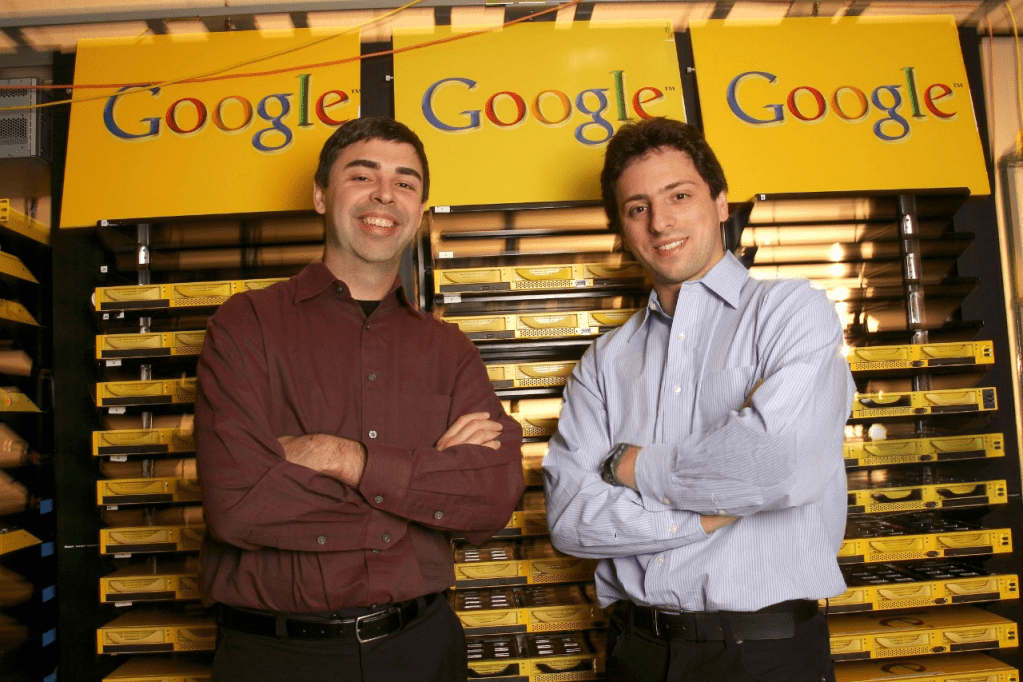
Search and Prosper: A Google Deep Dive | Stock #7 | Nov ’24 | (GOOGL)
Table of Contents: Google’s Dividend Dilemma – An In-Depth Analysis
I. Google: The Dividend Enigma
- 1. Tech Giant, No Payouts:
- Sundar Pichai with overlaid financial stats (annual revenue, net income, market cap)
- Dominance:
- Highlight Google’s position as a leader in search, advertising, mobile (Android), and cloud computing.
- Mention its massive global reach and user base.
- Briefly touch on its parent company Alphabet and its diverse ventures (Waymo, Verily, etc.).
- The Dividend Void:
- Explicitly state that Google has never paid a dividend.
- Compare this to other Big Tech companies: Apple, Microsoft (dividend payers), Amazon, Meta (historically no dividends).
- Pose the question: Will Google ever join the dividend club?
- 2. A History of Reinvestment:
- Image: Timeline infographic showcasing Google’s major acquisitions and R&D milestones (search algorithm, Android, YouTube, DeepMind)
- Growth Through Reinvestment:
- Explain Google’s long-standing strategy of reinvesting profits to:
- Expand into new markets and technologies.
- Develop innovative products and services.
- Acquire promising companies to enhance its ecosystem.
- Explain Google’s long-standing strategy of reinvesting profits to:
- Notable Investments:
- Quantify Google’s R&D spending over the years (show a trend).
- Highlight key acquisitions and their impact on Google’s growth.
- Discuss Google’s venture capital arm, GV, and its investments in startups.
- 3. The Cash Mountain:
- Image: Chart comparing Google’s Free Cash Flow (FCF) to other tech giants over time.
- FCF Powerhouse:
- Define free cash flow and why it’s crucial for dividends.
- Present Google’s FCF figures for the past few years (show growth).
- Compare Google’s FCF to its peers (Apple, Microsoft, Amazon).
- Cash Reserves:
- Show Google’s cash and short-term investments on its balance sheet.
- Discuss the potential uses of this cash (acquisitions, buybacks, R&D, potentially dividends).
II. Dividend Drivers
- 4. Financial Performance Deep Dive:
- Google’s revenue breakdown by segment (search, YouTube, cloud, etc.)
- Revenue Streams:
- Google’s diverse revenue sources and their growth prospects.
- Dominance of advertising revenue and its potential vulnerabilities.
- Growth of Google Cloud and its contribution to profitability.
- Profitability and Growth:
- Calculate and present key profitability metrics: gross profit margin, operating margin, net income margin.
- Analyze Google’s revenue and earnings growth rates over time.
- Compare these metrics to industry averages and key competitors.
- Sustainability:
- Discuss factors that could impact Google’s future financial performance:
- Economic downturns
- Regulatory challenges
- Competition
- Changes in user behavior
- Discuss factors that could impact Google’s future financial performance:
- 5. Capital Allocation: Where’s the Money Going?
- Image: Dynamic Sankey diagram visualizing Google’s capital allocation over time (R&D, acquisitions, buybacks, debt repayment)
- Strategic Priorities:
- Provide a detailed breakdown of how Google allocates its capital.
- Quantify spending on R&D, acquisitions, and stock buybacks.
- Analyze trends in capital allocation over time.
- Buybacks vs. Dividends:
- Explain the rationale behind stock buybacks (returning value to shareholders, increasing EPS).
- Discuss the potential benefits and drawbacks of buybacks compared to dividends.
- Analyze Google’s buyback history and its impact on share price.
- Shifting Priorities?
- Explore factors that could lead Google to prioritize dividends in the future:
- Maturity of the business
- Reduced growth opportunities
- Increased investor pressure
- Explore factors that could lead Google to prioritize dividends in the future:
- 6. The Tech Landscape: Dividends vs. Growth
- Image: Table comparing dividend yields, payout ratios, and dividend growth rates of major tech companies (Apple, Microsoft, Intel, Cisco)
- Industry Trends:
- Analyze the dividend policies of major tech companies.
- Identify trends towards or against dividend payments in the sector.
- Discuss the influence of company age, business model, and growth prospects on dividend decisions.
- Competitive Landscape:
- How does competition impact dividend policies in the tech industry?
- Could competitive pressure force Google to consider dividends to attract investors?
- Investor Expectations:
- Are tech investors increasingly demanding dividends?
- How do dividend policies influence investor perception and stock valuation?
III. The Dividend Debate
- 7. Pros and Cons: A Balanced Perspective
- Image: Interactive infographic allowing users to explore the pros and cons of a Google dividend by clicking on different icons.
- Pros:
- Income for Investors:
- Explain how dividends provide a steady stream of income for shareholders.
- Discuss the appeal of dividends for income-seeking investors (retirees, institutions).
- Maturity Signal:
- Argue that initiating a dividend could signal confidence in Google’s long-term profitability and stability.
- Discuss how dividends can attract a wider range of investors (value investors, dividend funds).
- Increased Shareholder Value:
- Explain how dividends can contribute to total shareholder return.
- Discuss the potential for dividends to support share price and reduce volatility.
- Income for Investors:
- Cons:
- Reduced Growth Potential:
- Analyze how dividends could limit Google’s ability to invest in future growth opportunities.
- Discuss the trade-off between dividends and reinvestment.
- Tax Implications:
- Explain the tax implications of dividends for investors (qualified vs. non-qualified dividends).
- Discuss how taxes can affect the net return on dividend income.
- Investor Expectations:
- Explain how initiating a dividend can create an expectation of sustained or increasing payouts.
- Discuss the potential negative impact of dividend cuts on investor sentiment.
- Reduced Growth Potential:
- 8. Shareholder Sentiment: What Do Investors Want?
- Image: Word cloud visualizing keywords from investor forums and discussions about Google dividends.
- Investor Pressure:
- Analyze public statements, shareholder proposals, and analyst reports related to Google dividends.
- Assess the level of investor demand for a dividend.
- Discuss how investor pressure could influence Google’s decision-making.
- Activist Investors:
- Research if any activist investors are targeting Google and advocating for a dividend.
- Discuss the potential impact of activist investors on Google’s capital allocation strategy.
- Communication:
- Analyze Google’s communication with investors regarding its dividend policy.
- Discuss the importance of transparency and clear messaging about capital allocation decisions.
- 9. Looking Ahead: The Crystal Ball
- Image: Scenario analysis infographic presenting different potential futures for Google’s dividend policy.
- Dividend Likelihood:
- Provide a well-reasoned opinion on the probability of Google initiating a dividend in the near future (consider all the factors analyzed).
- Discuss the potential timeline for a dividend initiation (if deemed likely).
- Scenarios:
- Analyze different scenarios that could influence Google’s dividend decision:
- High Growth Scenario: Continued strong revenue and earnings growth, maintaining focus on reinvestment.
- Mature Market Scenario: Slower growth, increased competition, pressure to return cash to shareholders.
- Acquisition Spree: Major acquisitions that deplete cash reserves and delay dividend considerations.
- External Shocks: Economic downturn, regulatory changes, or technological disruption impacting profitability.
- Analyze different scenarios that could influence Google’s dividend decision:
- Key Factors to Watch:
- Emphasize the key metrics and trends that investors should monitor to assess the likelihood of a Google dividend:
- Free cash flow growth
- Capital allocation trends
- Profitability margins
- Competitive landscape
- Shareholder activism
- Emphasize the key metrics and trends that investors should monitor to assess the likelihood of a Google dividend:
Remember:
- Data is King: Use the most current financial data from Alphabet’s SEC filings and investor relations materials.
- Visual Storytelling: Create compelling visuals to illustrate key data points and complex concepts.
- Audience Awareness: Tailor your content to your target audience’s level of understanding.
- Disclaimer: Always include a disclaimer that your content is for informational purposes and not financial advice.
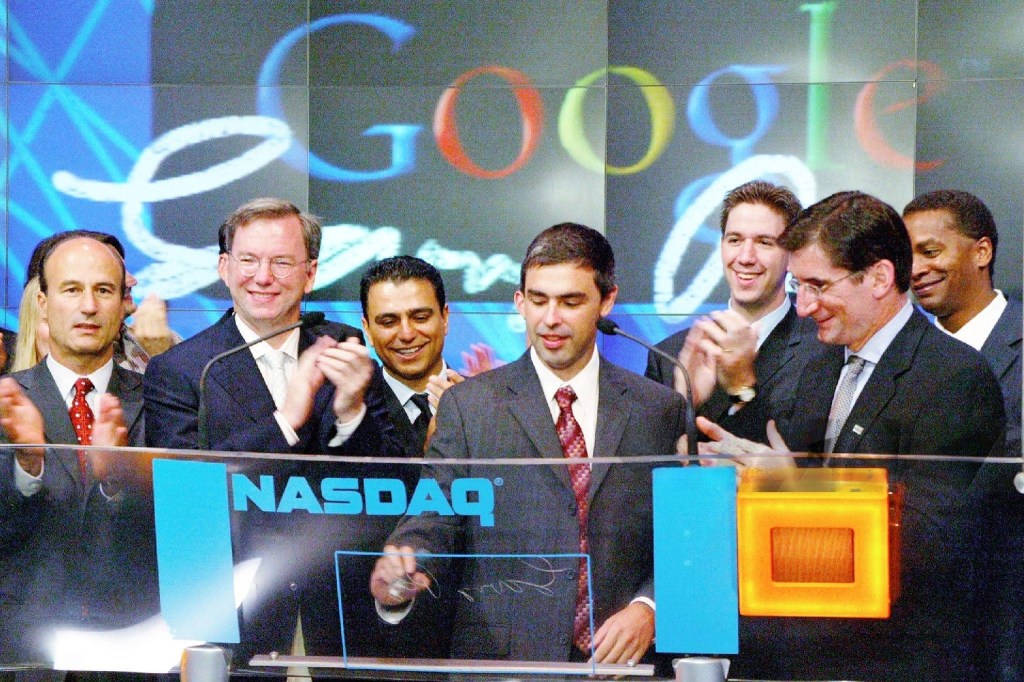
1. Google Services
• Google Search and Other: This is the core of Alphabet’s revenue, largely derived from advertising on Google’s own websites. It includes revenues from Google Search, other Google-owned sites, and Google Maps. Advertising revenue from these sources is significant due to the high volume of global traffic and targeted advertising capabilities.
• YouTube: This platform generates revenue through multiple streams:
• YouTube Ads: Advertising revenue from display, overlay, and video ads.
• YouTube Premium and YouTube Music: Subscription services that offer ad-free viewing, background playback, and access to original content and music streaming.
• YouTube TV: A subscription service that streams live television from major networks and offers cloud-based DVR.
• Google Network: Revenue from this segment comes from Google’s partnership with non-Google websites that use Google ads for monetization. This includes services like AdSense, which allows third-party websites to display ads served by Google and share in the ad revenue.
• Google Play: Includes revenue from sales of apps and games, in-app purchases, and digital content through the Google Play store. This segment also accounts for hardware sales, such as Google’s Pixel phones and Google Nest products.
2. Google Cloud
• Google Cloud Platform (GCP): Offers cloud computing services that provide computing infrastructure, data analytics, machine learning, and data storage capabilities. It competes with other giants like Amazon Web Services and Microsoft Azure.
• Google Workspace (formerly G Suite): A suite of cloud computing, productivity, and collaboration tools. This includes familiar applications such as Gmail, Docs, Drive, Calendar, Meet, and more, which are widely used by enterprises, educational institutions, and individuals.
3. Other Bets
• Waymo: Focuses on the development of autonomous driving technology.
• Verily: A research organization devoted to the study of life sciences, focusing on diseases and health data.
• DeepMind: Specializes in artificial intelligence research and application for various scientific and practical challenges.
• Calico: A research and development company aimed at harnessing advanced technologies to increase understanding of the biology that controls lifespan.
• Access & Energy (Google Fiber): Provides high-speed internet service in selected areas using fiber-optic communication.
• CapitalG and GV (formerly Google Ventures): Alphabet’s investment arms that focus on different stages of venture capital investing in technology-focused companies.
4. Hedging Gains
• Alphabet engages in various financial hedging strategies to protect against currency fluctuations, interest rate changes, and other financial risks. The gains from these activities are recorded as part of the financial income in their consolidated income statement.
Each of these segments contributes uniquely to Alphabet’s overall revenue, with Google Services being the primary driver. Alphabet’s diversified portfolio allows it to invest in long-term growth opportunities while maintaining robust profit margins in its core areas.
Alphabet’s Gemini project, launched within the last year, represents a significant step in the company’s AI development, aimed at transforming how AI is integrated across Google’s vast range of services. Here’s a detailed overview of the project and its implications:
Overview of Gemini
Gemini is a state-of-the-art AI model developed by Google, designed from the ground up to be natively multimodal, which means it can understand and process multiple types of data inputs—text, images, video, audio, and code. This ability allows Gemini to perform a wide range of tasks more effectively and contextually than previous models.
Versions of Gemini
The model is available in three versions tailored to different needs:
• Gemini Ultra: This is the most powerful version, suitable for complex tasks requiring deep multimodal understanding.
• Gemini Pro: Optimized for scalability, it handles a broad spectrum of tasks efficiently.
• Gemini Nano: The smallest and most efficient version, designed to run AI tasks directly on devices like smartphones and tablets.
Integration Across Google Products
Gemini’s capabilities are being integrated across Google’s major products and platforms. For example, it enhances Google Search by allowing more complex and multimodal queries, where users can interact using different types of data input. It also powers features in Google Photos, such as the ability to search for and identify specific items within photos based on context and previous interactions.
Impact on Google Cloud
Gemini also plays a crucial role in Google Cloud, contributing to its AI offerings by enhancing existing tools and creating new opportunities for developers and businesses to utilize advanced AI capabilities. This is part of Google’s broader strategy to maintain and expand its leadership in the cloud sector by integrating cutting-edge AI technologies.
Future Developments
The ongoing development of Gemini includes further enhancements in handling multimodal inputs and context, aiming to make digital interactions more intuitive and effective. As Gemini evolves, it is expected to unlock new capabilities in AI applications, significantly impacting how businesses and developers use Google’s platforms.
Overall, Gemini represents Alphabet’s ambition to lead in AI by creating a model that not only performs existing tasks better but also opens up new possibilities for interaction and functionality across all its services and devices. This project is a key part of Alphabet’s strategy to integrate more comprehensive and sophisticated AI into everyday tech experiences .
Alphabet’s Gemini project, launched within the last year, represents a significant step in the company’s AI development, aimed at transforming how AI is integrated across Google’s vast range of services. Here’s a detailed overview of the project and its implications:
Overview of Gemini
Gemini is a state-of-the-art AI model developed by Google, designed from the ground up to be natively multimodal, which means it can understand and process multiple types of data inputs—text, images, video, audio, and code. This ability allows Gemini to perform a wide range of tasks more effectively and contextually than previous models.
Versions of Gemini
The model is available in three versions tailored to different needs:
• Gemini Ultra: This is the most powerful version, suitable for complex tasks requiring deep multimodal understanding.
• Gemini Pro: Optimized for scalability, it handles a broad spectrum of tasks efficiently.
• Gemini Nano: The smallest and most efficient version, designed to run AI tasks directly on devices like smartphones and tablets.
Integration Across Google Products
Gemini’s capabilities are being integrated across Google’s major products and platforms. For example, it enhances Google Search by allowing more complex and multimodal queries, where users can interact using different types of data input. It also powers features in Google Photos, such as the ability to search for and identify specific items within photos based on context and previous interactions.
Impact on Google Cloud
Gemini also plays a crucial role in Google Cloud, contributing to its AI offerings by enhancing existing tools and creating new opportunities for developers and businesses to utilize advanced AI capabilities. This is part of Google’s broader strategy to maintain and expand its leadership in the cloud sector by integrating cutting-edge AI technologies.
Future Developments
The ongoing development of Gemini includes further enhancements in handling multimodal inputs and context, aiming to make digital interactions more intuitive and effective. As Gemini evolves, it is expected to unlock new capabilities in AI applications, significantly impacting how businesses and developers use Google’s platforms.
Overall, Gemini represents Alphabet’s ambition to lead in AI by creating a model that not only performs existing tasks better but also opens up new possibilities for interaction and functionality across all its services and devices. This project is a key part of Alphabet’s strategy to integrate more comprehensive and sophisticated AI into everyday tech experiences .
Here’s a more complete list of Google’s products, including some that might not have been fully captured in the previous response:
Internet Services
• Google Finance: Financial news and information portal.
• Google Shopping: Online shopping search engine and comparison tool.
• Google Flights: Flight booking search service.
• Google Hotel Finder: Tool for booking hotels.
• Google Books: Search service for books with preview and full view options.
• Google Scholar: Search engine for scholarly literature.
• Google Arts & Culture: Online platform to view artworks and cultural artifacts.
Communication and Publishing Platforms
• Blogger: Blog-publishing service.
• Google Hangouts: Communication platform including messaging, voice, and video chat (being phased out in favor of Google Chat and Meet).
• Google Groups: Discussion forum to share information and communicate via discussions.
• Google Voice: VoIP service that provides a telephone number and voicemail service.
• Google Contacts: Contact management tool integrated into Gmail and other Google services.
Developer Tools
• Google Code (deprecated): Formerly hosted open source code and provided tools for developers.
• Firebase: Platform for creating mobile and web applications.
• Google Developers: Hub for documentation and tools for Google’s developer products.
• Google Web Toolkit: Toolset for building and optimizing complex browser-based applications.
Health-Related Services
• Google Fit: Health-tracking platform.
• Google Health (revived version): Tool to organize health data and collaborate with healthcare providers.
Additional Projects and Services
• Google Fiber: High-speed broadband internet service.
• Project Fi (now Google Fi): MVNO telecommunications service.
• Area 120: Google’s workshop for experimental projects.
Entertainment
• YouTube Premium: Subscription service that offers ad-free access to YouTube content.
• YouTube Kids: Family-friendly app for children to explore YouTube content under parental controls.
• Google Play Movies & TV: Service for buying or renting movies and TV shows.
This expanded list includes some niche services along with new initiatives and tools that are tailored for specific user needs or developer requirements, showcasing the breadth of Google’s offerings across different domains and industries.
Google offers a vast array of products and services that cater to various needs, ranging from everyday applications to specialized tools for developers and businesses. Here is a broad overview of the categories and some specific products:
Consumer Applications and Services
• Search: Google’s core product, offering powerful search capabilities.
• Gmail: Email service with extensive storage and integration with other Google services.
• Google Drive: Cloud storage and synchronization service.
• Google Maps: Navigation and geographic information service.
• YouTube: Video sharing and streaming platform.
• Google Photos: Photo storage and sharing service.
• Android: Mobile operating system.
• Google Chrome: Web browser.
Productivity Tools
• Google Docs, Sheets, and Slides: Suite of productivity software for document editing and collaboration.
• Google Calendar: Online calendar service.
• Google Keep: Note-taking and organizational tool.
Hardware
• Google Pixel: Line of smartphones developed by Google.
• Nest Products: Smart home products including thermostats and security cameras.
• Chromebooks: Laptops that run Google’s Chrome OS.
Enterprise Services
• Google Cloud Platform: Suite of cloud computing services that offers hosting and computing, machine learning, and data analytics.
• Google Workspace: Collection of cloud computing, productivity, and collaboration tools.
Developer Tools
• Firebase: Platform for developing mobile and web applications.
• Google APIs: Various application programming interfaces for developers.
Emerging Technologies
• Google AI and DeepMind: Research and development in artificial intelligence.
• Waymo: Autonomous driving technology.
This comprehensive portfolio showcases Google’s range from foundational technologies like search and operating systems to emerging sectors like AI and autonomous driving. Each product is designed to integrate seamlessly with others in the ecosystem, providing a cohesive user experience whether for personal use, business applications, or developer projects .
Recently, Alphabet has been actively expanding its portfolio through significant acquisitions. One of the notable acquisitions is the cybersecurity firm Mandiant, which Alphabet acquired for $5.4 billion, marking it as one of the largest deals in the company’s history. This acquisition aims to strengthen Alphabet’s capabilities in the cybersecurity space, especially as they continue to enhance their cloud computing services .
Another major acquisition move by Alphabet is the ongoing discussions to purchase Wiz, a cybersecurity software provider, for approximately $23 billion. If finalized, this would be Alphabet’s largest acquisition, surpassing even the purchase of Motorola Mobility. The acquisition of Wiz is expected to further bolster Alphabet’s cloud security offerings, positioning them more competitively in the cybersecurity sector .
Alphabet’s acquisition strategy, especially with these large-scale purchases, reflects its commitment to expanding its technological capabilities and enhancing its service offerings in critical areas like cloud computing and security. These moves are part of a broader effort to maintain and extend Alphabet’s market leadership in the face of evolving technological landscapes and increasing competition .
Google has entered a significant phase in its commitment to sustainability and clean energy by partnering with Kairos Power to develop nuclear energy through small modular reactors (SMRs). This initiative aims to generate up to 500 MW of carbon-free power, marking a substantial step towards meeting Google’s ambitious goal of achieving 24/7 carbon-free energy by 2030. The agreement involves deploying these reactors across the U.S. to provide clean, reliable energy to Google’s data centers and help decarbonize the power grid.
This collaboration with Kairos Power represents Google’s largest move into nuclear energy, demonstrating its strategy to diversify its energy sources beyond traditional renewables like solar and wind. By integrating advanced nuclear technology, Google is looking to enhance the sustainability of its operations and support broader energy grid stability and decarbonization efforts.
This partnership not only signifies Google’s forward-thinking approach to energy but also sets a precedent for tech companies looking to invest in innovative and sustainable energy solutions .
Google’s long-term strategic plans beyond 2035 include a significant focus on sustainability and the integration of advanced technologies into their operations and products. Here are the key elements shaping their future direction:
1. Sustainability and Decarbonization: Google aims to achieve net-zero carbon emissions across all operations by 2030 and is making progress toward operating on 24/7 carbon-free energy on every grid where they operate by the same year. These goals set a clear path toward a sustainable operational model that they plan to maintain and evolve long-term .
2. Advancements in AI and Technology: Over the next 25 years, Google is committed to continuing its leadership in AI and technological innovation. This includes projects like NotebookLM, which aims to revolutionize how we interact with documents through AI, and AlphaFold, which is transforming our understanding of protein structures. These initiatives demonstrate Google’s ongoing commitment to enhancing productivity and scientific understanding through technology .
3. Infrastructure and Community Engagement: Google is also focused on creating more sustainable and efficient infrastructures, such as their data centers and office buildings. They’re investing in energy-efficient buildings and systems, exploring electrification, and applying high environmental standards to their constructions. Moreover, Google’s community engagement through digital wellbeing initiatives and accessibility projects highlight their commitment to societal benefits .
These strategic goals reflect Google’s ambition to blend technological innovation with sustainability, aiming to create a more responsible and efficient future for both their operations and the broader community.
Waymo
Waymo is considered one of the leading companies in the autonomous vehicle (AV) industry, and it certainly has a strong chance of succeeding and expanding in the market. Here are a few factors supporting Waymo’s potential for growth:
Strong Technological Foundation
Waymo’s technology, built on years of research and development as part of Google and then Alphabet, is based on a comprehensive array of sensors including LiDAR, radar, and cameras. This hardware setup, combined with sophisticated software algorithms, provides Waymo a robust foundation for navigating complex driving environments reliably and safely.
Safety Record and Public Trust
Waymo has established a solid safety record through extensive testing and real-world operation, particularly in Phoenix, Arizona, where it runs a fully autonomous ride-hailing service. Its commitment to safety helps in building public trust, a crucial element for the acceptance and expansion of autonomous vehicle services.
Strategic Partnerships and Expansion Plans
Waymo has been actively forming partnerships with other companies across the automotive and technology sectors. These partnerships help Waymo integrate its technology into various vehicle models and expand its operational footprint. For example, Waymo has agreements with car manufacturers like Jaguar Land Rover and Volvo to develop autonomous vehicles.
Financial and Corporate Backing
Being part of Alphabet gives Waymo significant financial backing and technological synergies with other Alphabet companies. This support is vital for enduring the long development periods required for autonomous technology and for scaling operations without the immediate pressure of profitability.
Regulatory and Market Environment
As regulatory frameworks for autonomous vehicles continue to develop, Waymo is well-positioned to navigate these changes due to its proactive approach to safety and compliance. Additionally, the increasing demand for safer and more efficient transportation solutions presents a favorable market environment for Waymo’s services.
Future Expansion
Waymo is continuously looking to expand its testing and operations into new cities and scenarios, extending beyond its current geofenced areas. This expansion is dependent on achieving regulatory approvals and societal acceptance, but the company’s careful approach to scaling, prioritizing safety and collaboration with local stakeholders, enhances its chances of successful expansion.
Overall, while the competition in the autonomous vehicle space is fierce, with major players like Tesla and numerous startups innovating rapidly, Waymo’s technological prowess, safety record, strategic partnerships, and the backing of Alphabet provide it with a strong platform to expand its operations and compete effectively in the growing market for autonomous transportation solutions.
For a company like Google, which operates under its parent Alphabet Inc., there are several cyclical factors that can be analyzed to help predict income stability and, by extension, the sustainability of dividends. These cyclical factors generally pertain to economic conditions, market trends, and sector-specific cycles. Here’s how they may influence Google:
1. Advertising Revenue
• Economic Cycles: Google’s primary income source is advertising, which is highly sensitive to economic conditions. During economic expansions, companies increase advertising spending to capture growth, leading to higher revenues for Google. Conversely, in downturns, advertising budgets are often cut first, which could affect Google’s earnings.
• Seasonal Trends: Advertising spending also shows seasonal patterns, often peaking during specific periods like holidays (Q4) and major global events (e.g., sports events, new product launches), which can predictably impact Google’s quarterly revenues.
2. Consumer Electronics Sales
• Product Launch and Upgrade Cycles: Google’s hardware sales, including Pixel phones, Nest products, and other consumer electronics, tend to see spikes around new product launches and during major shopping seasons (e.g., back-to-school, Black Friday, Cyber Monday). Tracking these cycles can help predict revenue surges.
• Market Trends: The consumer electronics market is influenced by broader technology trends, such as the adoption rates of new technologies (e.g., 5G, smart home devices). These trends can impact the cyclicality of Google’s hardware sales.
3. Cloud Computing Demand
• Industry Growth Cycles: As businesses increasingly digitalize, cloud computing services see growth, benefiting Google Cloud. However, this sector can also be cyclical with enterprise IT spending, which is often linked to overall corporate profitability and economic conditions.
• Competition: The competitive landscape, including pricing wars among major players like Amazon AWS, Microsoft Azure, and Google Cloud, can also influence revenue cycles in this segment.
4. Consumer and Business Services
• Subscription Services Growth: Services like YouTube Premium and Google Workspace have subscription-based models that provide recurring revenue, which can be somewhat more stable but still subject to fluctuations in user growth and retention rates.
• Economic Sensitivity: These services may also see variability based on economic conditions, as businesses cut costs or consumers tighten spending during downturns.
Strategic Considerations for Dividend Sustainability
• Diversification: Google’s diversified business model across advertising, cloud, hardware, and subscriptions helps mitigate risks associated with any single revenue stream. This diversification is critical for maintaining steady cash flows necessary for dividend sustainability.
• Cash Reserves and Financial Health: Google traditionally maintains robust cash reserves and has a strong balance sheet, which provides a buffer to sustain dividend payments during periods of lower income.
• Capital Expenditures and R&D Investment: Google’s investment in research and development, though substantial, is managed to ensure it does not adversely affect its financial stability. Monitoring the balance between reinvestment in growth and dividend payouts is crucial for long-term sustainability.
By analyzing these cyclical factors and their implications on Google’s various revenue streams, investors can better predict the company’s income fluctuations and assess the reliability and potential growth of its dividend distributions over time.
Yes, Alphabet Inc. owns several companies and divisions other than Google. Alphabet was created as a parent holding company in 2015 to provide greater transparency and allow more operational independence for its diverse business ventures. Here’s an overview of some of the key businesses and projects under Alphabet Inc., beyond Google:
1. Waymo
• Focus: Autonomous driving technology.
• Objective: To develop self-driving technology to improve transportation safety and accessibility.
2. Verily
• Focus: Life sciences research and applications related to health.
• Objective: To develop tools and devices to collect and analyze health data to help improve disease detection, management, and treatment.
3. DeepMind
• Focus: Artificial intelligence research.
• Objective: To advance AI technology, particularly through deep learning and reinforcement learning, with applications ranging from gaming to healthcare.
4. Calico
• Focus: Biotech and aging research.
• Objective: To understand the biology that controls lifespan and to develop interventions that enable people to lead longer and healthier lives.
5. Sidewalk Labs
• Focus: Urban innovation.
• Objective: To develop technology-based solutions to improve urban infrastructure and city living, addressing areas such as energy usage, transportation, and housing.
6. Wing
• Focus: Drone delivery.
• Objective: To develop drones that deliver goods quickly, safely, and with lower environmental impact.
7. GV (formerly Google Ventures)
• Focus: Venture capital investment.
• Objective: To invest in startups across a variety of sectors, including technology, life sciences, artificial intelligence, transportation, cybersecurity, and agriculture.
8. CapitalG
• Focus: Growth equity investment fund.
• Objective: To invest in high-growth technology companies using Alphabet’s resources and expertise to accelerate their growth.
9. X (formerly Google X)
• Focus: Radical technological innovation.
• Objective: To develop new technologies aimed at solving some of the world’s hardest problems, such as renewable energy and robotics.
10. Access & Energy
• Focus: Broadband internet access and energy.
• Objective: To improve global internet access and develop renewable energy solutions.
These companies and divisions highlight Alphabet’s strategy to innovate and invest in areas with potential for significant technological and scientific advancement, beyond the core activities of Google. Each subsidiary operates with a degree of independence but benefits from the overarching support and strategic alignment with Alphabet’s broader goals.
Yes, Alphabet Inc. owns several companies and divisions other than Google. Alphabet was created as a parent holding company in 2015 to provide greater transparency and allow more operational independence for its diverse business ventures. Here’s an overview of some of the key businesses and projects under Alphabet Inc., beyond Google:
1. Waymo
• Focus: Autonomous driving technology.
• Objective: To develop self-driving technology to improve transportation safety and accessibility.
2. Verily
• Focus: Life sciences research and applications related to health.
• Objective: To develop tools and devices to collect and analyze health data to help improve disease detection, management, and treatment.
3. DeepMind
• Focus: Artificial intelligence research.
• Objective: To advance AI technology, particularly through deep learning and reinforcement learning, with applications ranging from gaming to healthcare.
4. Calico
• Focus: Biotech and aging research.
• Objective: To understand the biology that controls lifespan and to develop interventions that enable people to lead longer and healthier lives.
5. Sidewalk Labs
• Focus: Urban innovation.
• Objective: To develop technology-based solutions to improve urban infrastructure and city living, addressing areas such as energy usage, transportation, and housing.
6. Wing
• Focus: Drone delivery.
• Objective: To develop drones that deliver goods quickly, safely, and with lower environmental impact.
7. GV (formerly Google Ventures)
• Focus: Venture capital investment.
• Objective: To invest in startups across a variety of sectors, including technology, life sciences, artificial intelligence, transportation, cybersecurity, and agriculture.
8. CapitalG
• Focus: Growth equity investment fund.
• Objective: To invest in high-growth technology companies using Alphabet’s resources and expertise to accelerate their growth.
9. X (formerly Google X)
• Focus: Radical technological innovation.
• Objective: To develop new technologies aimed at solving some of the world’s hardest problems, such as renewable energy and robotics.
10. Access & Energy
• Focus: Broadband internet access and energy.
• Objective: To improve global internet access and develop renewable energy solutions.
These companies and divisions highlight Alphabet’s strategy to innovate and invest in areas with potential for significant technological and scientific advancement, beyond the core activities of Google. Each subsidiary operates with a degree of independence but benefits from the overarching support and strategic alignment with Alphabet’s broader goals.