
Stock #8 | Nov ’24 | (V)
Understanding $V: A Global Titan in Financial Transactions and a Dividend Pillar
By Zach Gedal | 30-minute read
Part 1: Company Overview and Philosophy
Introduction
Visa Inc. (Ticker: V) is not just a leading global payments technology company; it’s an essential conduit that enables digital commerce to flow smoothly and securely across more than 200 countries. While Visa doesn’t extend credit or hold consumer accounts, it has established itself as the world’s foremost network, connecting financial institutions, merchants, and consumers. Its consistent cash generation, asset-light model, and role as a “toll collector” on the digital payments highway have positioned it as an appealing prospect for dividend-focused investors looking beyond the tech giants that have defined Silicon Valley’s narrative.

Founding and Early History
The story of Visa begins in the 1950s and 1960s with Bank of America’s pioneering BankAmericard program—an early attempt to standardize the use of credit cards. By 1976, the network was rebranded as Visa, symbolizing its global ambition and universality. In an era when physical checks and cash transactions dominated, Visa’s innovations brought convenience and credit access to millions. Over time, as global commerce migrated online, Visa evolved into a digital giant, powering secure, instantaneous transactions at the speed of light.
Cultural and Ethical Values
Visa’s corporate ethos revolves around trust, inclusion, and innovation. Operating at the intersection of finance and technology, Visa understands that ethical standards and strict compliance with data privacy and regulatory guidelines are non-negotiable. With user data protection, fraud prevention, and cybersecurity at the forefront, Visa has reinforced its reputation as a stable, reliable intermediary. This trust-driven culture isn’t just good ethics—it’s a long-term strategic asset that anchors investor confidence and supports consistent dividend distributions.
Leadership Philosophy and Style
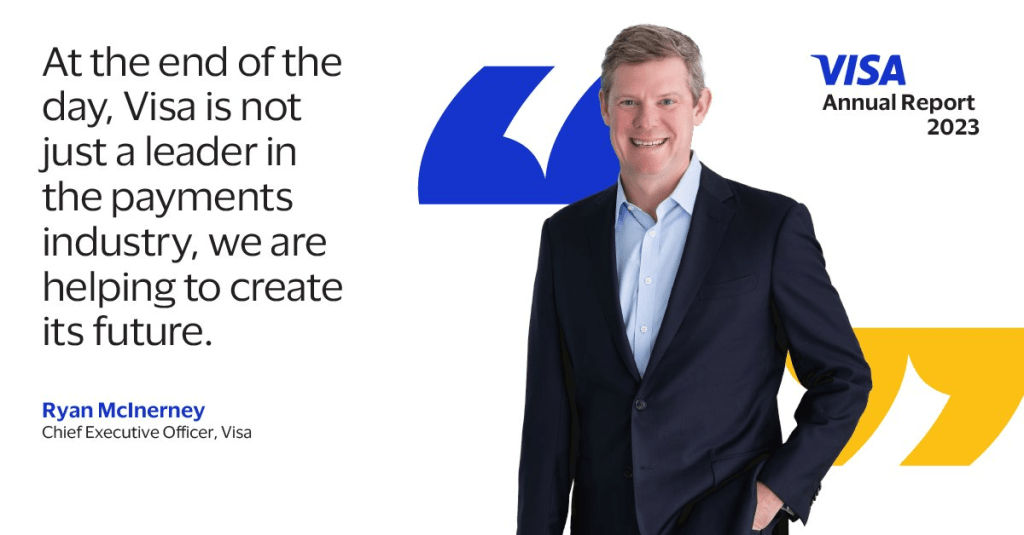
Under the guidance of leaders like former CEO Alfred F. Kelly Jr. and his successors, Visa’s leadership embraces a customer-centric and partnership-oriented approach. Their philosophy emphasizes collaboration with financial institutions, fintech disruptors, and retailers, fostering a thriving ecosystem rather than competing on all fronts. This leadership style focuses on incremental innovation, strategic acquisitions, and global expansion, with each initiative measured against long-term stability and sustainable profit margins. It’s a style that assures shareholders that the leadership isn’t just chasing trends but building enduring value.
Innovation and Adaptability
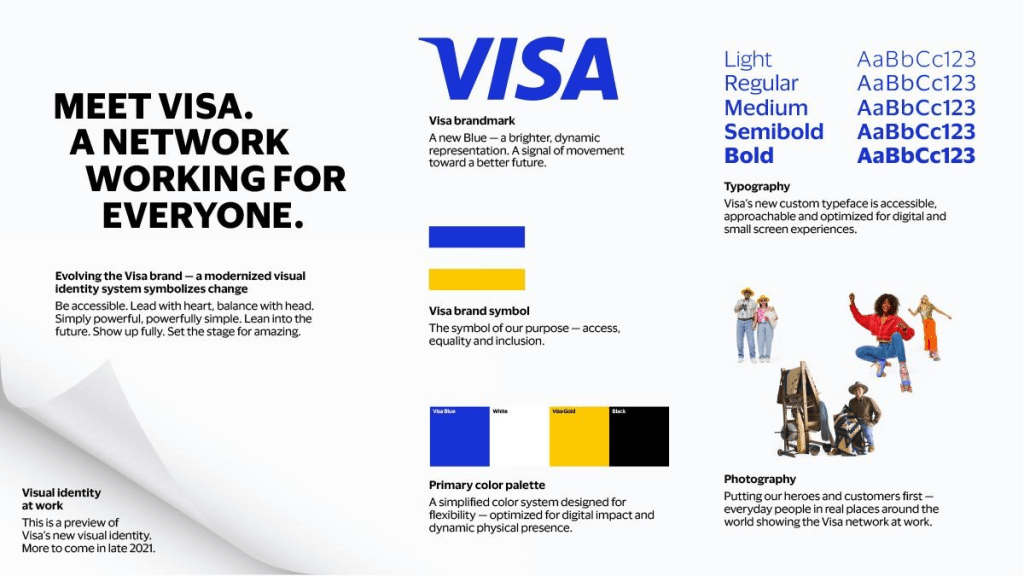
Innovation at Visa is not confined to product launches—it’s reflected in how the firm responds to shifting consumer behaviors, regulatory changes, and new payment technologies. As contactless payments and digital wallets become ubiquitous, Visa invests in tokenization, artificial intelligence for fraud detection, and next-gen payment rails. Its adaptability is evident in strategic alliances with fintechs and big tech companies, and its approach to cross-border commerce and B2B payments. By positioning itself at the cutting edge of financial technology, Visa ensures that its revenue engine remains robust and diverse—key ingredients for sustaining and growing dividends over time.

Strategic Decision-Making
Visa’s strategic decisions consistently revolve around broadening its ecosystem and reinforcing its network effects. Whether partnering with emerging fintech players or entering new markets, Visa’s leadership favors long-term relationships and integration over short-term gains. Strategic capital allocation—balancing R&D investments with share buybacks and dividends—reflects a prudent approach that has won the trust of long-term shareholders. This holistic strategy helps Visa navigate economic cycles, regulatory scrutiny, and competitive pressure while consistently delivering value to investors.

Human Capital and Management
Visa’s talent strategy emphasizes diversity, inclusion, and continuous learning. By nurturing a workforce skilled in data analytics, cybersecurity, and digital services, Visa ensures it can respond quickly to evolving market demands. This human capital approach is not just an HR initiative; it’s a driving factor behind the company’s operational excellence, strategic agility, and ability to maintain solid margins. Engaged employees translate into better product innovation, stronger client relationships, and ultimately, more reliable revenue streams that back a stable dividend policy.
Market Position and Competitive Landscape
The global payments market brims with formidable competitors—Mastercard, American Express, PayPal, and a host of fintech upstarts. Yet Visa’s dominance endures due to its extensive merchant network, brand equity, and decades-long relationships with financial institutions. Its scale acts as a protective moat, enabling cost advantages, swift payments processing, and unmatched global reach. While digital wallets and open banking threaten to disrupt traditional card networks, Visa’s strategic investments in future-ready solutions place it at the center of rapidly evolving financial ecosystems.
Risks and Mitigation Strategies
Even a market giant like Visa cannot escape risks. Economic downturns can dampen transaction volumes; regulatory reforms may pressure fee structures; cybersecurity threats test network resilience. Visa mitigates these challenges through continuous investments in compliance, fraud detection, and technology upgrades. Its geographical diversification and range of value-added services also help buffer against cyclical fluctuations. Such proactive mitigation strategies underpin its stable cash flows, reinforcing the foundation for regular and growing dividends.
Part 2: Dividend Philosophy and Sustainability

Dividend Tradition and Philosophy
Visa’s dividend philosophy reflects a blend of confidence, conservatism, and growth ambition. Though not as high-yielding as mature industrial conglomerates, Visa’s dividend growth trajectory has turned heads over the past decade. By regularly increasing dividends, Visa signals to shareholders that its business model—facilitating trillions in annual payments volume—is robust and future-proof. The company views dividends not as an afterthought but as an integral component of its capital allocation strategy, rewarding shareholders while preserving ample resources for strategic initiatives.
Dividend Consistency and Culture
Since initiating dividends post-IPO, Visa has shown unwavering commitment to returning capital to shareholders. Nearly every year has brought a dividend bump, underlining a corporate culture that views investors as long-term partners. This steady increase in payouts, supported by escalating free cash flow, tells a story of prudent financial management and strategic foresight. It’s a dividend culture that doesn’t compromise on growth investments, ensuring that the pipeline of innovation remains full even as shareholders reap tangible rewards.
Impact of Strategic Decisions on Dividends
Visa’s push into digital wallets, real-time payments, and fintech partnerships contributes to a broader revenue base less susceptible to traditional credit cycle swings. Its selective acquisitions and alliances accelerate innovation and open new revenue streams. With higher-quality earnings, Visa can sustain and potentially accelerate dividend growth. Meanwhile, share repurchases complement dividends, offering flexibility to manage capital returns as market conditions evolve. This holistic approach ensures dividends remain both reliable and scalable over the long term.
Stakeholder Value Creation
Visa’s brand revolves around trust and utility—a value proposition extending to customers, partners, employees, and investors. By safeguarding data, preventing fraud, and ensuring reliable transactions, Visa drives economic growth and financial inclusion. This stakeholder-centric approach aligns naturally with steady dividends; stable businesses that create real, tangible value for their ecosystems tend to produce steady cash flows. In turn, those cash flows support regular dividends, converting stakeholder trust into investor satisfaction.
Financial Prudence and Allocation
Visa’s financial management style is disciplined. With high margins and limited capital expenditure requirements, the company generates substantial free cash flow. Rather than hoarding cash or making speculative bets, Visa follows a balanced formula—reinvest in strategic growth (R&D, M&A, fintech initiatives), maintain a fortress-like balance sheet, buy back shares to manage dilution, and incrementally raise dividends. This prudent allocation ensures that dividends do not come at the expense of long-term competitiveness or financial security.
Economic Moats and Dividend Safety
What makes Visa’s dividends safe? The answer lies in its economic moat—a combination of network scale, brand recognition, and decades of trust. Replacing Visa’s global network would be a Herculean task for any competitor. As electronic payments proliferate, Visa becomes more entrenched. This moat insulates its revenue from short-term disruptions, ensuring stable profits and reliable cash flow. The moat effectively acts as a dividend shield, protecting returns even in turbulent market conditions.
Corporate Governance and Dividend Policy
Visa’s governance framework prioritizes accountability, transparency, and shareholder alignment. Independent board oversight, performance-based executive compensation, and stringent audit standards ensure that management’s incentives align with shareholders’ long-term interests. Good governance ensures that dividends are set thoughtfully, balancing shareholder rewards with the need to sustain growth and adaptability. When trust in leadership and governance is high, investors feel confident relying on dividends as part of their long-term investment strategy.
Long-Term Vision and Dividend Growth
Visa envisions a world where digital payments outcompete cash, where cross-border commerce thrives seamlessly, and where emerging markets leapfrog legacy infrastructure with mobile transactions. In this future, Visa aims to remain the indispensable middleman. Such a vision promises expanding transaction volumes and service offerings, supporting long-term dividend growth. By staying ahead of the curve and continuously evolving, Visa ensures that dividends aren’t just a function of past performance—they’re a promise of enduring prosperity.
Qualitative Insights and Future Outlook
Peering into the future, Visa’s role in enabling frictionless commerce only grows more critical. As the world becomes more interconnected and reliant on digital platforms, Visa’s network benefits become more pronounced. Upcoming trends—like real-time payments, embedded finance, and decentralized finance—represent both challenges and opportunities. Yet Visa’s adaptability, financial muscle, and strategic clarity suggest it will thrive. For dividend investors, that means stable income, gradual dividend hikes, and exposure to one of the world’s most essential financial ecosystems.
Conclusion: Synthesis and Strategic Insights
Visa’s evolution from a paper-era credit card pioneer to a digital payments titan exemplifies adaptability, trust, and sustainable growth. Its leadership philosophy, cultural commitments, and risk mitigation strategies create a stable operational bedrock. This stability, combined with robust cash flows and an unwavering focus on shareholder returns, makes Visa a prime candidate for dividend-focused portfolios.
For investors seeking both growth and dependable dividends, Visa represents a compelling proposition. As transaction volumes climb and digital commerce widens its global footprint, Visa’s dividends stand on firm ground. In a world where tech giants command headlines and fintech disruptors vie for market share, Visa offers a balanced narrative—steady, strategic, and always attuned to shareholder value.
Disclaimer: This analysis is for informational purposes only and does not constitute financial advice. Always conduct your own research or consult with a financial professional before making investment decisions.
Stock #8 | Nov ’24 | (V)
A Royal Swipe: A Visa Deep Dive | Stock #8 | Nov ’24 | (V)
Table of Contents: Visa’s Dividend Evolution – An In-Depth Analysis
I. Visa: The Dividend Monarch
1. The Payment Powerhouse
• Brand Dominance:
Visa’s globally recognized brand is synonymous with electronic payments, enabling transactions across more than 200 countries.
• Massive transaction volumes processed annually
• Extensive merchant network and partnerships with financial institutions
• A Digital Economy Keystone:
Visa sits at the center of the fintech revolution, powering e-commerce, mobile payments, and fintech integrations.
• The Ecosystem:
Though Visa doesn’t lend directly, it acts as a toll collector on the digital highways of finance. Its business model is asset-light, focused on transaction processing fees, data analytics, and value-added services.
Dividend Pedigree:
• Unlike some high-tech growth companies that abstain from dividends, Visa has a proud history of dividend payouts.
• Compare to peers: Mastercard (dividend payer), PayPal (no dividend), American Express (long-standing dividend history).
• The big question: Will Visa continue raising dividends and ascend further into the ranks of dividend royalty?
2. A History of Steady Payouts
Image: Timeline infographic of Visa’s IPO, major milestones, and dividend initiation/growth trajectory.
• From IPO to Dividend Initiation:
After its 2008 IPO, Visa began paying dividends in 2008 and has steadily increased them since.
• Dividend Growth:
Annual dividend hikes reflect Visa’s confidence in long-term earnings power.
• Reinvestment & Expansion:
While paying dividends, Visa continues to reinvest profits into new payment technologies, partnerships, and acquisitions—striking a balance between returning capital to shareholders and fueling growth.
3. The Cash Flow Fortress
Image: Chart comparing Visa’s Free Cash Flow (FCF) to other payment networks over time.
• Free Cash Flow (FCF) Muscle:
• Define FCF as the lifeblood of dividends.
• Visa’s high-margin, asset-light model generates substantial FCF, year after year.
• Cash at Hand:
Visa maintains large cash reserves.
• Uses: Strategic acquisitions (e.g., Plaid attempt), share buybacks, technology investments, and, of course, stable dividends.
II. Dividend Drivers
4. Financial Performance Deep Dive:
Image: Visa’s revenue breakdown by region and product segment (credit, debit, cross-border, value-added services).
• Revenue Streams:
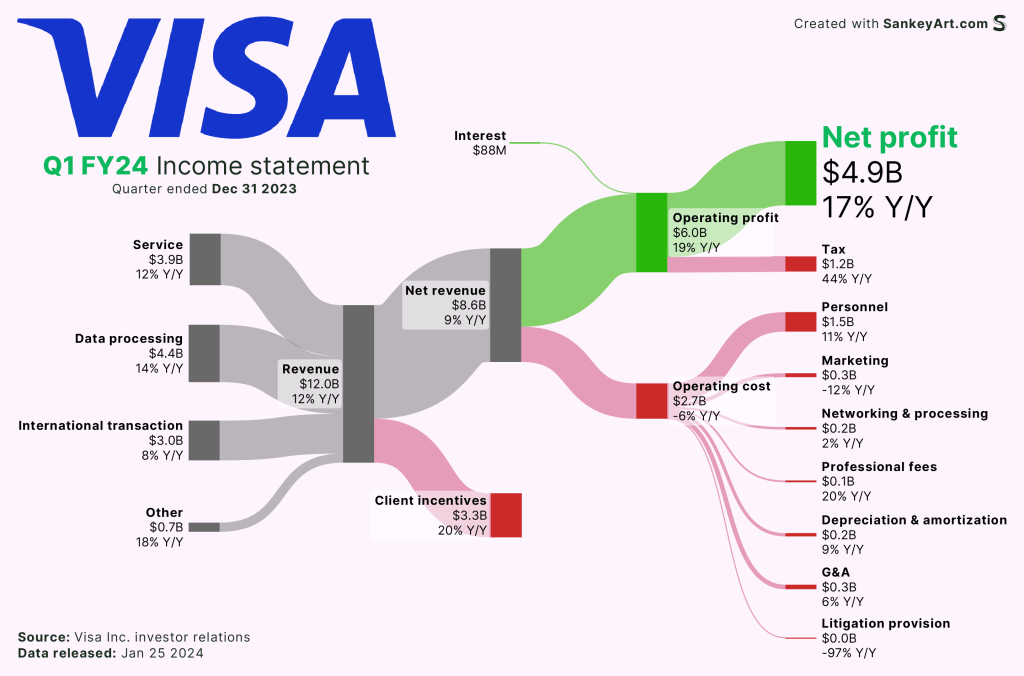
• Service Revenues: Fees from financial institutions based on transaction volumes.
• Data Processing Revenues: Transaction processing fees from authorizations, settlements, and clearing.
• International Transaction Revenues: Cross-border fees, benefiting from global travel and commerce.
• Growth & Profitability:
• High operating margins (often above 60%) and robust net income margins.
• Consistent double-digit earnings per share (EPS) growth.
• Compare margins with peers (Mastercard, American Express) and highlight Visa’s efficiency.
• Sustainability:
Factors influencing Visa’s future performance:
• Digital payments growth outpacing cash usage globally
• Emerging fintech partners and value-added services expanding revenue streams
• Regulatory scrutiny and network fee structures
• Economic downturns affecting consumer spending
5. Capital Allocation: Tracking the Dollars
Image: Sankey diagram of Visa’s capital deployment (dividends, buybacks, R&D, M&A).
• Strategic Spending:
• R&D focused on payment security, tokenization, and APIs for fintech partners
• Acquisitions to enhance capabilities, e.g., open banking platforms or cross-border solutions
• Consistent share repurchases supporting EPS growth and shareholder returns
• Buybacks vs. Dividends:
• Buybacks: Flexible, can be dialed up/down, boost EPS, and signal confidence.
• Dividends: Commitment to stable income streams for investors.
• Visa uses both levers, yet dividends remain a focal point of investor interest.
• Looking Forward:
As Visa’s core business matures, continued dividend hikes may reflect growing comfort with sustained payouts.
6. The Payments Landscape: Dividends as a Standard
Image: Table comparing dividend yields, payout ratios, and dividend growth rates of major payment and fintech firms.
• Industry Trends:
• Payment networks tend to pay dividends once they reach scale and stability.
• Mastercard similarly increases dividends, American Express maintains a solid payout.
• Competitive Edge:
Visa’s extensive network and resilience in downturns support ongoing dividend growth.
• Investor Expectations:
Income-focused investors appreciate Visa’s predictable dividend growth and stable business model.
III. The Dividend Debate
7. Pros and Cons: A Balanced Perspective
Image: Interactive infographic exploring Pros and Cons of Visa’s dividend policy.
Pros:
• Steady Income:
Dividends provide a reliable income stream for investors, appealing to retirees and dividend-focused funds.
• Signal of Confidence:
Growing dividends indicate Visa’s management confidence in future cash flows.
• Shareholder Value:
Dividends, combined with buybacks, support total shareholder returns and can stabilize share prices.
Cons:
• Opportunity Cost:
Every dollar paid out is one not reinvested in new payment technologies or fintech partnerships.
• Tax Implications:
Investors pay taxes on dividend income, potentially reducing net returns.
• Maintaining Expectations:
Once a dividend policy is established, investors expect consistent growth. A pause or cut could damage sentiment.
8. Shareholder Sentiment: Investor Wish-List
Image: Word cloud with “Dividend Growth,” “Stability,” “Global Expansion,” “Fintech Integration.”
• Investor Pressure:
Analysts often applaud Visa’s disciplined growth in dividends, viewing it as a mark of financial health.
• Activist Influence:
To date, no significant activist push for changes to Visa’s dividend policy. The market largely supports its balanced approach.
• Communication is Key:
Clear guidance on dividend hikes helps set investor expectations.
9. Looking Ahead: The Crystal Ball
Image: Scenario analysis infographic of Visa’s future dividend policy.
Dividend Forecast:
• Probability is high that Visa will continue increasing dividends at a steady clip.
• Payout ratio remains low enough to allow future hikes without straining resources.
Scenarios:
• Continued Growth: Strong global economy, rising digital payments, dividend hikes continue.
• Regulatory Pressures: Stricter rules might impact fees, but Visa’s scale and innovation should maintain its profitability and dividend growth.
• Technological Shift: Rapid adoption of digital wallets, contactless, and next-gen payment rails could bolster volume and secure dividend longevity.
• Macro Shocks: While a severe recession might slow transaction growth, Visa’s diversified revenue base and strong balance sheet could still support dividends.
Key Metrics to Watch:
• Transaction volumes and cross-border growth
• Payout ratio (dividends relative to earnings)
• FCF growth and capital expenditure trends
• Competitive pressures from fintech and alternative payment networks
• Regulatory developments affecting fee structures
Remember:
• Data is King: Regularly review Visa’s SEC filings, quarterly reports, and investor relations materials for the latest figures.
• Visual Storytelling: Charts, infographics, and visuals make complex data accessible and engaging.
• Audience Awareness: Whether you’re an experienced investor or a curious beginner, keep an eye on the metrics that matter.
• Disclaimer: This analysis is for informational purposes only and not financial advice.
Visa’s Business Segments at a Glance
1. Visa Net
• The secure, reliable network connecting banks, merchants, and consumers worldwide.
• Generates revenue via transaction processing fees and value-added services like fraud prevention and analytics.
2. Credit and Debit Products
• Core offering includes branded credit, debit, and prepaid cards offered through partner financial institutions.
• Visa earns fees from every swipe, tap, and click, without bearing credit risk itself.
3. Cross-Border and Travel
• Higher-fee international transactions fueled by global tourism, e-commerce, and cross-border B2B payments.
4. Value-Added Services
• Tokenization services, data analytics, and dispute resolution products.
• Enhances security, convenience, and insights, driving incremental revenue.
5. Fintech and Partnerships
• Collaborations with emerging payment platforms, digital wallets, and buy-now-pay-later (BNPL) providers.
• Investments in startups, APIs, and developer ecosystems to remain at the cutting edge.
Advancing the Future of Payments
• Global Financial Inclusion:
Visa’s initiatives aim to bring digital payment solutions to underserved populations worldwide, growing its user base and transaction volumes.
• Sustainability Efforts:
Reducing the environmental impact of data centers and supply chains, and supporting social causes through financial inclusion.
• Innovation Pipeline:
Exploring blockchain-based solutions, real-time payments, and machine learning for fraud detection.
Visa’s Long-Term Strategy Beyond 2035:
• Continuous Dividend Growth:
As transactions increasingly shift from cash to digital, Visa’s stable, recurring revenue streams support sustainable dividend growth.
• Evolving Market Opportunities:
Real-time payments, account-to-account transfers, and digital ID solutions could open new revenue streams.
• Resilience and Adaptation:
Visa’s ability to weather economic cycles, embrace regulatory changes, and incorporate technological innovations ensures its longstanding appeal to investors seeking both growth and dividends.
Conclusion
Visa’s remarkable track record of steady dividend growth, robust cash flows, and strategic capital allocation underscores its status as a dividend contender worthy of attention. While no investment is without risks, Visa’s position at the heart of global commerce—combined with its innovation and adaptability—suggests a path to becoming a true “Dividend Noble” in the decades ahead.
