
A Deep Dive into Starbucks: Brews, Dividends, and a Global Coffee Empire
Understanding $SBUX: A Behemoth of Coffee and a Dividend Challenger
By Zach Gedal | 30-minute read
February 9th 2025
Part 1: Company Overview and Philosophy
- Introduction
- Founding and Early History
- Cultural and Ethical Values
- Leadership Philosophy and Style
- Innovation and Adaptability
- Strategic Decision-Making
- Human Capital and Management
- Market Position and Competitive Landscape
- Risks and Mitigation Strategies
Part 2: Dividend Philosophy and Sustainability
- Dividend Tradition and Philosophy
- Dividend Consistency and Culture
- Impact of Corporate Decisions on Dividends
- Stakeholder Value Creation
- Financial Prudence and Allocation
- Economic Moats and Dividend Safety
- Corporate Governance and Dividend Policy
- Long-Term Vision and Dividend Growth
- Qualitative Insights and Future Outlook
Part 1: Company Overview and Philosophy
Introduction

Starbucks began as a single coffee bean store in Seattle’s Pike Place Market, founded in 1971 by Jerry Baldwin, Gordon Bowker, and Zev Siegl. The mission was simple: introduce high-quality arabica coffee beans to a public that mostly drank supermarket blends. The store thrived among local coffee aficionados, but it remained a modest operation until Howard Schultz entered the scene in the early 1980s. Schultz, inspired by Italian espresso bars, reimagined Starbucks as a place where customers could not only purchase beans but also savor handcrafted coffee beverages in a welcoming “third place” beyond home and work.
Under Schultz’s guidance, Starbucks embraced a philosophy of nurturing human connections—both among employees, known as “partners,” and with customers seeking a sense of community alongside their caffeine fix. As the company expanded, this people-first ethos shaped everything from store layout to product offerings. By the 1990s, Starbucks locations had multiplied throughout North America, eventually branching into markets across Asia, Europe, and beyond. Today, Starbucks stands as a global coffee empire that balances swift service with a curated, personal café ambiance.
Founding and Early History
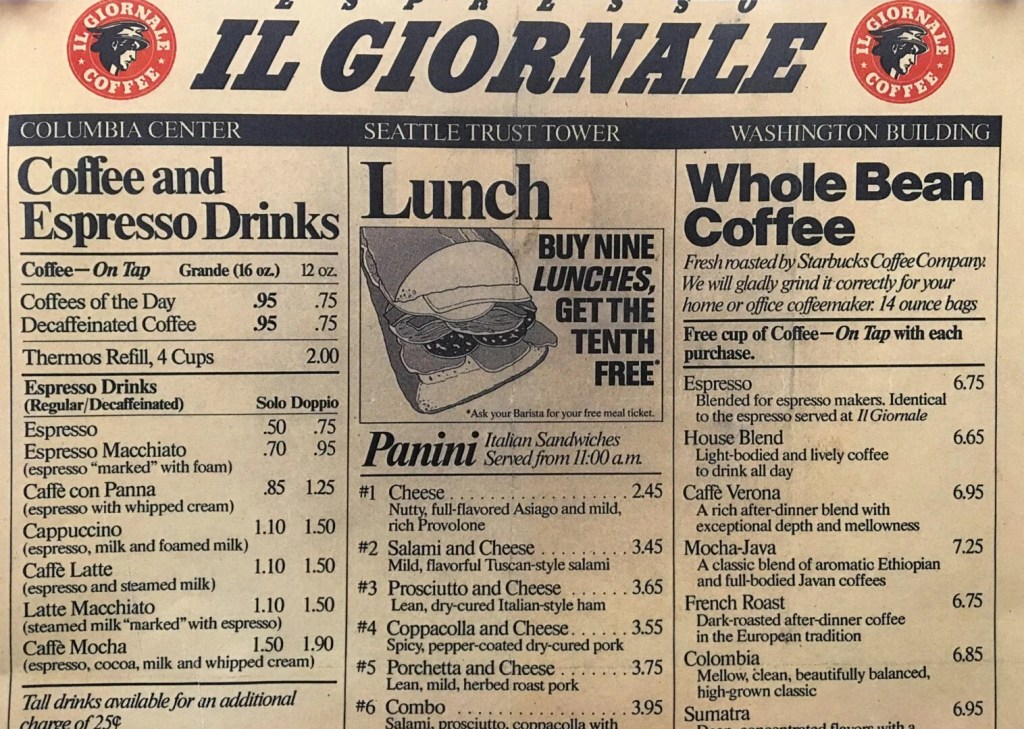
The origin of Starbucks traces back to three friends inspired by Peet’s Coffee and Tea, another specialty coffee pioneer. They named their fledgling venture after the first mate in Herman Melville’s novel Moby-Dick, drawn to the romance of the sea and the adventure it implied. Howard Schultz joined Starbucks a decade later, initially as an employee responsible for marketing and operations. On a trip to Milan, he was captivated by the café culture that celebrated communal gathering and daily ritual. Convinced that Starbucks should offer ready-to-drink espresso beverages, he pitched the idea to the original founders, who were wary of straying from the core model of bean retail.
Undeterred, Schultz branched out to launch his own chain of espresso bars called Il Giornale, later acquiring Starbucks outright in 1987 when the founders sold the company. From this turning point onward, Schultz’s vision drove Starbucks to scale rapidly, transforming a humble bean shop into a global coffeehouse chain. The blueprint combined efficient American franchising with European-inspired coffee experiences, creating a brand recognized worldwide for cozy store layouts, extensive menu options, and baristas who know regulars by name.
Cultural and Ethical Values
Starbucks built its brand by emphasizing personal connection, ethical sourcing, and community responsibility. The company launched its Coffee and Farmer Equity (C.A.F.E.) Practices to ensure fair pay and sustainable farming methods. This approach sought to create a virtuous cycle: by investing in the well-being of coffee growers, Starbucks would ultimately secure a stable supply of premium beans and maintain the trust of socially conscious consumers.
Internally, Starbucks cultivated a culture that recognized employees as partners, granting benefits such as health insurance, stock options, and tuition coverage at participating universities. This progressive stance on employee welfare has been a hallmark of Starbucks’s reputation as a people-centric corporation. The company’s philosophy also extends to local communities, often reflected in store-level charity events and volunteer initiatives. Yet, in recent years, rising labor activism and unionization efforts have tested Starbucks’s image, underscoring the complexity of balancing business demands with employee satisfaction.
Leadership Philosophy and Style
Howard Schultz, revered for masterminding Starbucks’s global expansion, often championed empathy and inclusivity as the company’s guiding principles. He stepped away from day-to-day leadership multiple times, passing the reins to other CEOs, but the cultural imprint he left remains strong. Successors like Kevin Johnson and, most recently, Laxman Narasimhan have continued to lean on that foundation of community-building while adapting to evolving consumer habits.
Leaders at Starbucks demonstrate a willingness to pivot swiftly when market forces shift, whether by introducing plant-based milk alternatives or rolling out mobile ordering to meet digital consumer expectations. This responsiveness, reinforced by a customer-centric mindset, has helped Starbucks retain its market dominance even as competition intensifies. At its core, the leadership ethos revolves around the idea that small gestures—like remembering a customer’s name or customizing an order—foster deeper brand loyalty and sustain a strong bottom line.
Innovation and Adaptability
Starbucks has long navigated consumer trends, from the sugary Frappuccino craze of the 1990s to today’s cold brew and nitro-infused beverages. The company embraced the digital era early by developing a user-friendly mobile app that lets customers order and pay ahead. This technological leap resonated so strongly that Starbucks now handles a notable share of transactions via mobile devices, blending convenience with the brand’s trademark personalization.
Internationally, Starbucks adapts to local tastes without losing the essence of its brand. Locations in China, for instance, feature communal tables and expanded tea menus, recognizing cultural preferences while showcasing Starbucks’s standard coffee lineup. Expansion strategies also include specialized offerings such as the Starbucks Reserve line, highlighting small-batch beans and upscale roasteries in flagship cities. Each shift underscores Starbucks’s longstanding commitment to continuous evolution, whether in product development, digital engagement, or store ambiance.
Strategic Decision-Making
The Starbucks expansion strategy has always hinged on selecting high-visibility sites in busy commercial or residential areas, reinforcing the coffeehouse’s role as a neighborhood hub. During its peak growth years, Starbucks sometimes faced criticism for rapid, seemingly unchecked store openings that led to cannibalization of sales. These missteps prompted leadership to adopt a more measured approach, closing underperforming locations and recalibrating growth tactics.
In recent years, Starbucks has shifted to a blend of smaller-format “Starbucks Pickup” stores for urban environments and drive-thru-focused designs for suburban markets. This strategy reflects broader consumer behavioral changes, including a rise in mobile ordering and grab-and-go preferences. Collaborative partnerships, such as the Starbucks credit card with Chase or loyalty integrations with other brands, further cement Starbucks’s place in customers’ daily routines.
Human Capital and Management
Starbucks prides itself on employee training, believing that well-prepared baristas elevate customer experience. The company invests in specialized programs to ensure consistent beverage quality and fosters a sense of ownership among partners by offering company stock grants. These practices promote a cohesive, enthusiastic workforce that is encouraged to advance within the organization.
However, tensions have emerged around labor rights and unionization, spotlighting challenges in balancing employee advocacy with corporate financial goals. Some stores have organized under union banners, citing desire for greater workplace protections. While Starbucks publicly states its preference for direct communication over union representation, it has had to navigate increased scrutiny regarding wages, scheduling, and benefits. How effectively Starbucks addresses these concerns may shape the morale and stability of its most critical asset: the baristas behind every espresso machine.
Market Position and Competitive Landscape
Starbucks’s global footprint spans nearly every continent, making the siren logo synonymous with premium coffee experiences. Competitors such as Dunkin’, McDonald’s McCafé, and local specialty roasters continuously vie for market share, often at lower price points. Despite these threats, Starbucks differentiates itself through brand prestige, innovative menu expansions, and carefully cultivated store aesthetics.
The proliferation of craft coffee shops has introduced fresh competition, especially among consumers who favor artisanal brews. Still, Starbucks’s advantage lies in its scale, loyalty program, and extensive real estate presence. Though it occasionally faces backlash from purists who lament the commercialization of coffee culture, Starbucks continues to thrive by balancing novelty beverages with consistent quality standards and an experience that can feel both personalized and globally familiar.
Risks and Mitigation Strategies
Starbucks depends heavily on agricultural commodities, making fluctuations in coffee bean prices and supply chain disruptions critical concerns. To reduce these vulnerabilities, the company diversifies sourcing across multiple regions and invests in agronomy support for farmers, aiming to uphold both quality and ethical practices. Labor expenses remain another significant cost variable; wage increases and union negotiations can tighten margins, pushing Starbucks to optimize store operations and menu pricing.
Consumer sentiment around health and wellness also poses a challenge. While Starbucks still leads in indulgent, sweet beverages, health-conscious trends encourage the chain to expand options like sugar-free syrups, plant-based dairy substitutes, and low-calorie items. Competitive pressures demand constant innovation, while digital data privacy concerns highlight the need for secure technology infrastructure. Each of these moving parts requires proactive management, guided by Starbucks’s culture of adaptability.
Part 2: Dividend Philosophy and Sustainability
Starbucks introduced its dividend program in 2010, signaling the company’s confidence in sustained profitability and robust cash flow generation. Although the initial yield was modest, steady growth in payouts has made Starbucks an increasingly attractive option for dividend-focused portfolios. The company’s ability to raise dividends nearly every year speaks to the recurring revenue streams anchored by loyal customers and an expansive global footprint.
Management has balanced shareholder returns with investments in store remodels, technology upgrades, and product innovations. Starbucks continues to fund new market expansions and occasionally pursues acquisitions that complement its beverage-centric portfolio. Despite short-term economic downturns or supply chain challenges, Starbucks’s leadership has consistently emphasized the importance of maintaining a healthy dividend policy, treating it as a hallmark of financial stability and investor confidence.
Below is an expanded Part 2 for Starbucks’s dividend story—mirroring the style and depth you showcased with Microsoft—along with insights into Return on Equity (ROE) and how it factors into Starbucks’s overall financial health.
Part 2: Dividend Philosophy and Sustainability
1. Dividend Tradition and Philosophy
Starbucks introduced its dividend program in 2010, signaling a pivotal shift from purely reinvesting in growth to also rewarding shareholders through direct cash distributions. This decision arose from the company’s increasing confidence in its robust cash flow generation—fueled by loyal customers, innovative product offerings, and global brand recognition. Starbucks’s management framed the dividend not merely as a financial tool, but as a symbol of the company’s maturity and enduring commitment to delivering shareholder value.
A key element of Starbucks’s dividend philosophy is to maintain a balance between returning cash to shareholders and retaining enough capital to fund strategic growth initiatives. This is evident in the company’s ongoing store expansions, remodels, and investments in technology, which align with Starbucks’s broader mission of connecting people worldwide through premium coffee experiences. By consistently paying and raising dividends, Starbucks underscores a dual mandate: nurture shareholder returns and safeguard the resources to propel future growth.
2. Dividend Consistency and Culture
Since the inaugural dividend payment in 2010, Starbucks has built a track record of almost annual dividend increases. While the yield began modestly, the growth in both payouts and share price has solidified Starbucks as a compelling option for dividend-focused portfolios. This consistency reflects Starbucks’s belief in stable, recurring earnings bolstered by its extensive global presence.
Beyond the numbers, however, is a broader cultural ethos: Starbucks prides itself on fostering trust with all its stakeholders—customers, employees (known as “partners”), suppliers, and investors. Regular dividend hikes serve as an external manifestation of this trust, signaling that Starbucks’s business model can reliably produce sufficient cash flows to fund both corporate endeavors and shareholder returns. Internally, the dividend culture instills discipline among leadership, compelling a thoughtful allocation of capital that balances day-to-day operational demands with long-term strategic initiatives.
3. Impact of Corporate Decisions on Dividends
Starbucks’s corporate decisions—from store expansions in emerging markets to menu innovations and sustainability initiatives—directly influence its dividend capacity. For instance:
• Global Expansion: Opening new stores in high-potential regions (e.g., China) amplifies Starbucks’s revenue base, helping to sustain and grow future dividend payouts.
• Menu Innovation: Cold brews, seasonal beverages, and food offerings diversify revenue streams and encourage repeat visits, stabilizing cash flow crucial for dividend payments.
• Digital and Loyalty Programs: The Starbucks Rewards program and the mobile app significantly boost customer engagement, fostering a cycle of frequent purchases and consistent revenue generation.
When Starbucks invests heavily in these areas, it does so with an eye toward strengthening the core business, which in turn enhances the company’s ability to maintain or increase its dividend. In periods of economic volatility or when supply chain costs rise, Starbucks’s leadership tends to protect the dividend, reaffirming its view that dividend consistency is a hallmark of financial stability and investor confidence.
4. Stakeholder Value Creation
Starbucks’s approach to dividends is part of a broader commitment to creating value for all stakeholders:
• Shareholders benefit through capital appreciation and growing dividend income.
• Partners (Employees) gain from Starbucks’s people-first philosophy, which includes comprehensive benefits, stock options, and tuition coverage.
• Suppliers and Farmers are supported by ethical sourcing initiatives like C.A.F.E. Practices, ensuring fair compensation and long-term supplier stability.
• Customers experience consistently high-quality products and a welcoming “third place” environment.
Each of these stakeholder groups contributes to Starbucks’s brand equity, reinforcing a business ecosystem that can sustainably support dividend growth. By showing genuine commitment to partner well-being and ethical sourcing, Starbucks cements loyalty on both the supply and demand sides—an advantage that further undergirds the company’s dividend capacity.
5. Financial Prudence and Allocation
Starbucks’s dividend policy is guided by a measured approach to capital allocation. Leaders carefully weigh spending on new store rollouts, product innovations, and share repurchase programs against dividend distributions. This balancing act aims to preserve adequate liquidity for unforeseen challenges—such as commodity price spikes or sudden shifts in consumer behavior—while consistently rewarding shareholders.
A telling indicator of Starbucks’s financial prudence is the deliberate pace of its share buybacks. By repurchasing shares and reducing share count over time, the company can lift earnings per share (EPS) and support higher dividend payouts on a per-share basis without overextending cash reserves. Starbucks also prioritizes investing in digital platforms and store renovations, viewing these expenditures as essential to maintaining the café experience that keeps customers coming back.
6. Economic Moats and Dividend Safety
Starbucks’s dividend safety is underpinned by several competitive advantages—or “economic moats”—that help protect its market position:
1. Brand Strength: The Starbucks brand is globally synonymous with premium coffee, fostering customer loyalty and consistent demand.
2. Scale and Real Estate Strategy: With thousands of locations worldwide, Starbucks benefits from brand ubiquity and improved economies of scale in supply chain and marketing.
3. Customer Experience and Community: Starbucks’s focus on creating a welcoming environment differentiates it from low-cost competitors, supporting premium pricing and stable margins.
4. Adaptability: From drive-thru formats to local menu customizations in international markets, Starbucks demonstrates remarkable flexibility in responding to consumer trends.
These moats safeguard Starbucks from competitive encroachment and price wars, enabling more reliable cash flows that underpin a stable and growing dividend. Although specialty coffee shops and fast-food chains compete on various fronts, Starbucks’s entrenched market position and brand recognition help insulate its financial performance from abrupt industry shifts.
7. Corporate Governance and Dividend Policy
Starbucks’s Board of Directors plays a critical role in shaping dividend policy. The board’s stewardship ensures that dividend decisions align with broader company objectives, such as growth, innovation, and social responsibility. Transparency in financial reporting and clear articulation of strategic initiatives also build credibility with investors, who gain confidence that Starbucks’s leadership is capable of orchestrating both operational success and consistent dividends.
Moreover, Starbucks’s management culture—emphasizing empathy, collaboration, and accountability—translates into governance practices that prioritize sustainable success. This ethos mitigates risks associated with over-leveraging or short-term profit chasing. By maintaining a healthy balance sheet and prudent payout ratios, Starbucks upholds a governance framework that promotes dividend stability.
8. Long-Term Vision and Dividend Growth
Looking ahead, Starbucks’s leadership remains confident in the company’s resilience and growth prospects. Ongoing initiatives such as store redesigns, expansion into under-penetrated markets, and the evolution of Starbucks Reserve premium experiences position the company for sustained top-line growth. As revenue and free cash flow expand, Starbucks can continue to support a rising dividend while simultaneously investing in strategic projects.
Part of this long-term vision involves technological integrations (e.g., AI-driven personalization in the Starbucks Rewards app, improved logistics in supply chain management) that reduce operational costs and enhance customer satisfaction. When effectively implemented, these innovations can elevate profit margins and free up additional capital for shareholders. The cumulative effect is a cycle of reinvestment, revenue growth, and higher dividend payouts—reflecting Starbucks’s aspiration to be a premium lifestyle brand that also serves as a reliable dividend payer.
9. Return on Equity (ROE) and What It Means for Dividends
Starbucks’s Return on Equity (ROE)—a key metric that measures how effectively a company generates profits relative to shareholder equity—has historically been robust, often outpacing industry averages. A consistently healthy ROE suggests that Starbucks’s leadership team allocates capital efficiently, producing strong returns on the money invested by shareholders.
• High ROE and Dividend Potential: A strong ROE typically correlates with a company’s capacity to grow or sustain dividends. By reinvesting profits at attractive returns, Starbucks can fund new store openings, product innovations, and expansions into emerging markets—investments that can further drive earnings, supporting higher future dividend payments.
• ROE, Debt, and Payout Ratios: While a high ROE can be a positive signal, it’s also crucial to monitor Starbucks’s use of debt. Excessive leverage can inflate ROE but introduce greater risk, potentially constraining dividend growth if debt servicing costs become burdensome. However, Starbucks’s balance sheet management has generally been prudent, suggesting that its dividend trajectory remains on solid ground.
10. Qualitative Insights and Future Outlook
Starbucks finds itself at a crossroads of consumer demand for premium coffee experiences and the growing emphasis on convenience (drive-thrus, mobile ordering, pickup-only stores). Simultaneously, ethical sourcing and community-building remain pillars of the brand, differentiating Starbucks from budget-focused rivals. These factors collectively create a stable foundation for continued dividend expansion.
• Evolving Consumer Preferences: Starbucks’s willingness to adapt—be it through plant-based menu additions, seasonal beverage rollouts, or new store formats—keeps the brand relevant and revenue streams diversified.
• Potential Headwinds: Supply chain costs, commodity price volatility, and labor negotiations represent potential hurdles. While these factors can pressure margins, Starbucks’s strong operating model and loyal customer base mitigate their impact over the long term.
• Global Growth: The Asia-Pacific region, especially China, offers significant room for expansion. Starbucks’s experience with international markets enhances its ability to replicate success elsewhere, bolstering future earnings and, by extension, dividends.
Overall, Starbucks’s blend of brand power, ethical commitments, and global scale positions it as a unique dividend-paying stock that resonates with both growth- and income-oriented investors. Even as the coffee market grows more crowded, Starbucks’s long track record of innovation and shareholder-friendly policies point toward a sustainable dividend future.
Closing Note
Starbucks’s steady dividend program, backed by strong ROE and underpinned by robust competitive advantages, paints a picture of a company confident in its future cash flows and long-term vision. By carefully balancing shareholder returns with reinvestment in store expansions, product innovations, and partner welfare, Starbucks continues to thrive as both a beloved global brand and a dependable dividend contender.
For investors seeking a blend of growth potential, stable income, and a well-defined sense of corporate responsibility, Starbucks remains a compelling component of any dividend-focused portfolio.
Bonus Insight: Part 3
Book Reviews: Exploring Starbucks Through Literature
“Pour Your Heart Into It” by Howard Schultz

In Pour Your Heart Into It, Howard Schultz offers an intimate look at the philosophical foundation of Starbucks, detailing his early days and the pivotal decisions that shaped the company’s ethos. Schultz’s narrative is both an inspirational memoir and a strategic guide, illustrating how passion paired with innovative business practices can lead to unprecedented success. This book is particularly revered for its honest reflection on the challenges and triumphs of building a brand that values employees as much as profits, making it essential reading for aspiring entrepreneurs and business leaders alike.
“From the Ground Up” by Howard Schultz
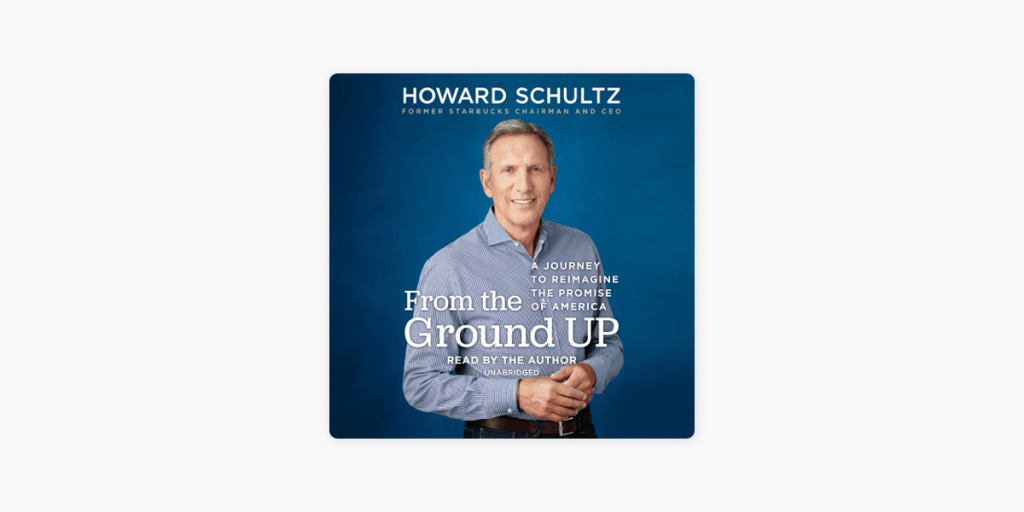
From the Ground Up serves as Schultz’s personal reckoning with the impact of corporate actions on society at large. The book extends beyond the coffee giant into Schultz’s advocacy for broader social issues, including corporate responsibility and social justice. It provides insights into the evolution of Starbucks under his leadership and how the company has attempted to prioritize humanity alongside growth. The narrative resonates with readers interested in how a global corporation can participate ethically and positively in societal development.
“Onward” by Howard Schultz
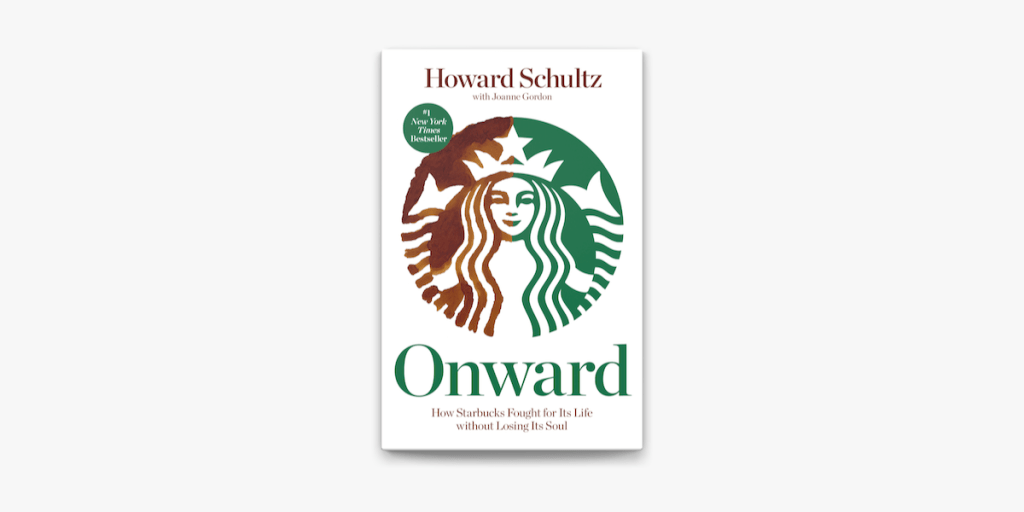
In Onward, Schultz details the story of his return as CEO during a turbulent period for Starbucks, focusing on steering the company through the financial crisis of 2008. This book is a deep dive into strategic resilience, showcasing how true leadership involves tough choices that may temporarily hurt the bottom line but ultimately rejuvenate a company’s soul and its market position. Onward is a compelling read for anyone interested in leadership during crisis, corporate ethics, and the balancing act between innovation and core values.
Leadership Vision Under CEO Brian Nicol and Cultural Shifts
As Starbucks turns a new page under the leadership of CEO Brian Nicol, the company continues to weave its narrative of innovation and cultural resonance. Nicol, who stepped into the role with a clear vision influenced by his successful tenure at Chipotle, brings a fresh perspective focused on sustainability, digital integration, and market responsiveness. His approach is encapsulated in the ethos of the book Onward by Howard Schultz, which narrates the company’s foundational rebuild from the ground up—emphasizing resilience and the importance of staying true to one’s core values while navigating the complexities of global expansion and consumer trends.
Under Nicol’s stewardship, Starbucks is poised to enhance its engagement strategies, particularly through the expansion of high-demand products like the Nitro Cold Brew—a testament to Starbucks’s ability to innovate while responding to consumer desires for premium, yet distinctly unique coffee experiences. However, Nicol is also confronted with addressing the pricing strategies that make signature offerings like the Nitro Cold Brew a “luxury” at $8, balancing customer satisfaction with profitability in a competitive market.
This new chapter under Nicol promises a continuation of Starbucks’s legacy of passionate customer service and innovative product offerings, driven by a CEO who values both the bottom line and the broader impact of the Starbucks experience on the global community. His leadership will likely be marked by a commitment to not just maintaining Starbucks’s iconic status, but elevating it, ensuring that the brand remains at the forefront of the coffee industry’s evolution. Nicol’s focus on integrating new trends with Starbucks’s core offerings aims to sustain the company’s market leadership, drawing in a new generation of coffee enthusiasts with a blend of tradition and innovation.
Conclusion
Starbucks’s journey from a single storefront in Seattle to a worldwide coffee powerhouse is a testament to the power of vision, community-oriented values, and persistent innovation. The chain endures at the forefront of café culture by recalibrating swiftly to changes in consumer behavior, leveraging digital platforms, and curating an environment that encourages customers to linger with their lattes. These same adaptive qualities have bolstered the company’s financial performance, enabling it to issue regular dividends and appeal to both growth seekers and income investors.
In a market brimming with artisanal roasters and value-driven chains, Starbucks’s emphasis on experience, brand recognition, and global expansion underpins its ongoing relevance. By combining a tangible sense of community with disciplined strategic moves, Starbucks has carved out a formidable niche that continues to brew both profits and shareholder returns. As the company refines its approach to changing labor dynamics and broadening beverage trends, its overarching commitment to ethical sourcing and consumer connections positions it to persevere as a dividend-paying mainstay in the global marketplace.
Personal Take on Starbucks Nitro Cold Brew
As for the Starbucks Nitro Cold Brew, while I relish the smooth, velvety texture and the rich flavor profile that truly sets it apart from traditional iced coffee offerings, I find the price point of $8 a bit steep. This pricing places the Nitro as a premium product, potentially limiting its accessibility. Although I understand that the unique brewing process and the quality of ingredients can justify the cost, I believe adjusting the price could make this innovative drink a more frequent choice for a broader audience. Starbucks could benefit from making such distinctive experiences more accessible, which could enhance customer loyalty and increase consumption frequency among coffee enthusiasts who might otherwise be deterred by the cost.
Warm regards,
Zachary Gedal
